
Last updated October 16, 2026
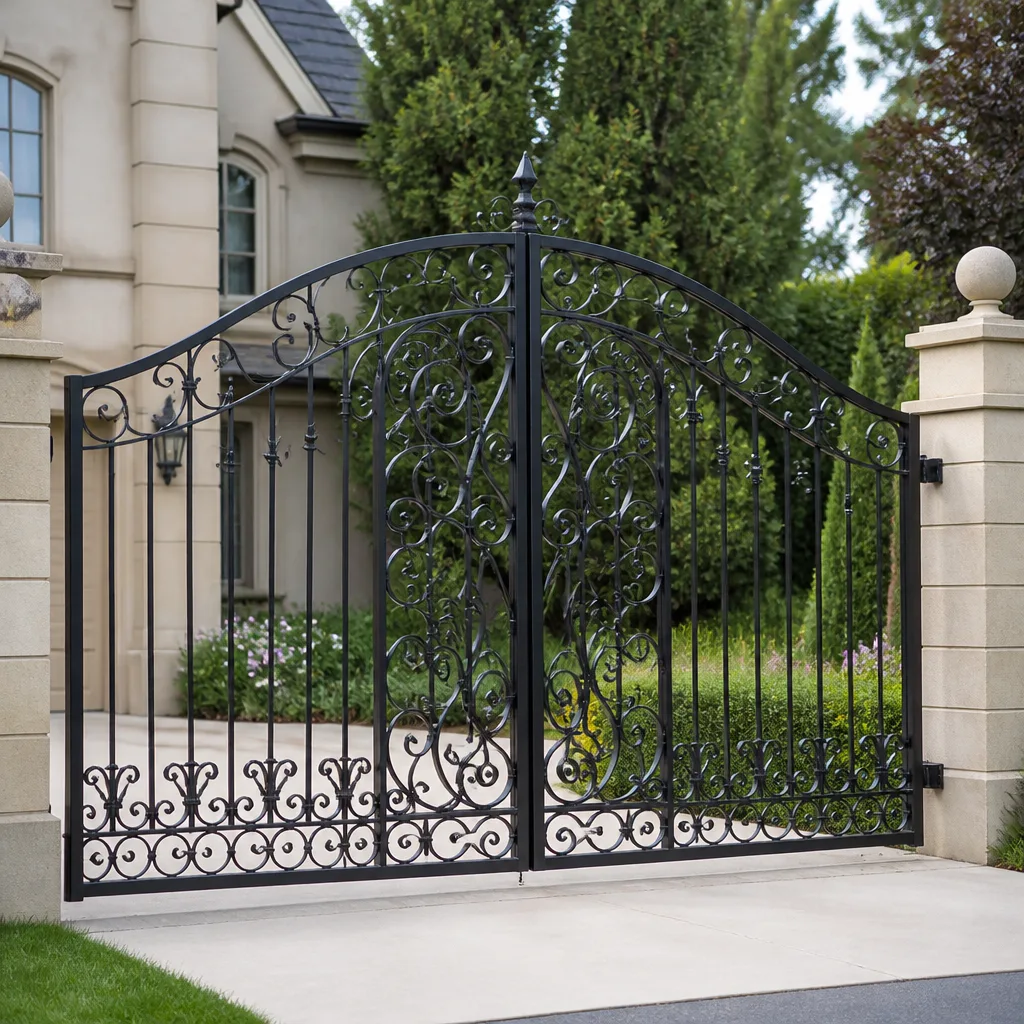 Wrought iron
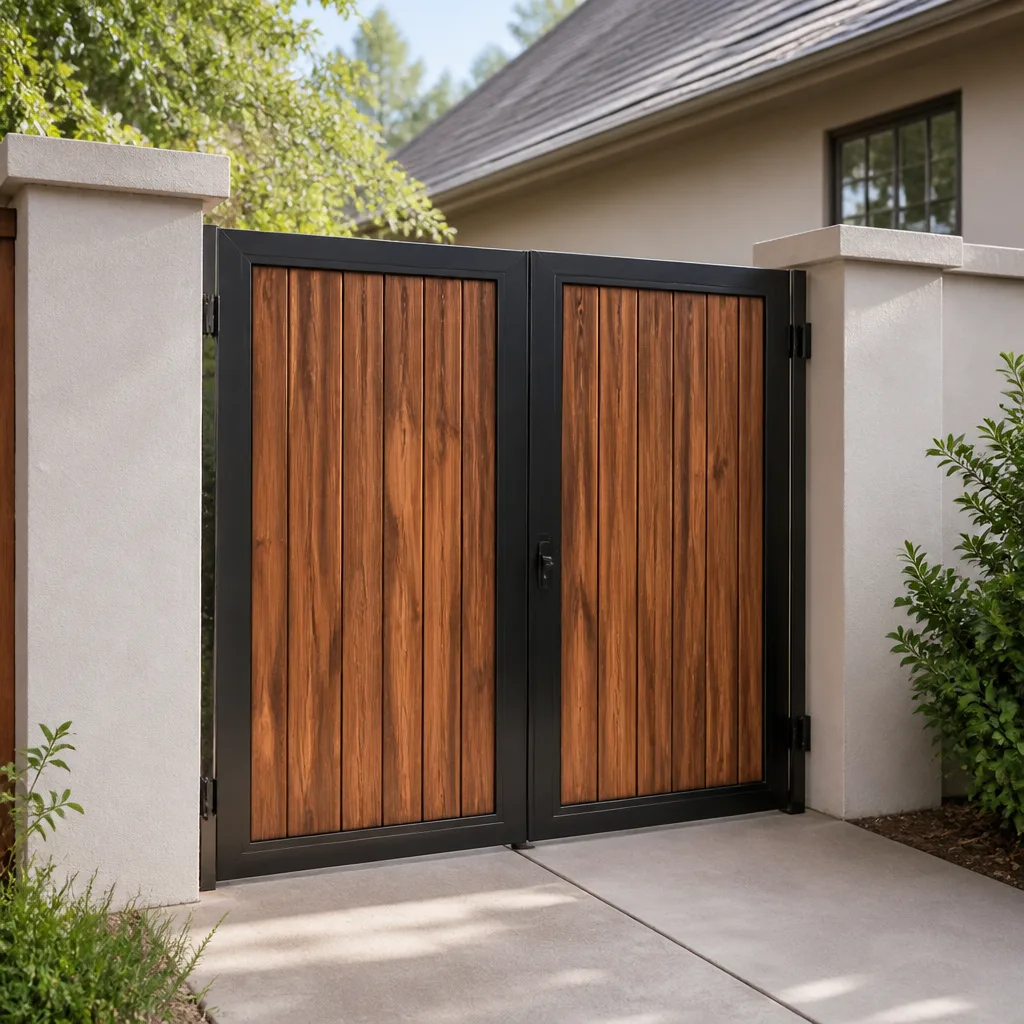 Wood & steel frame
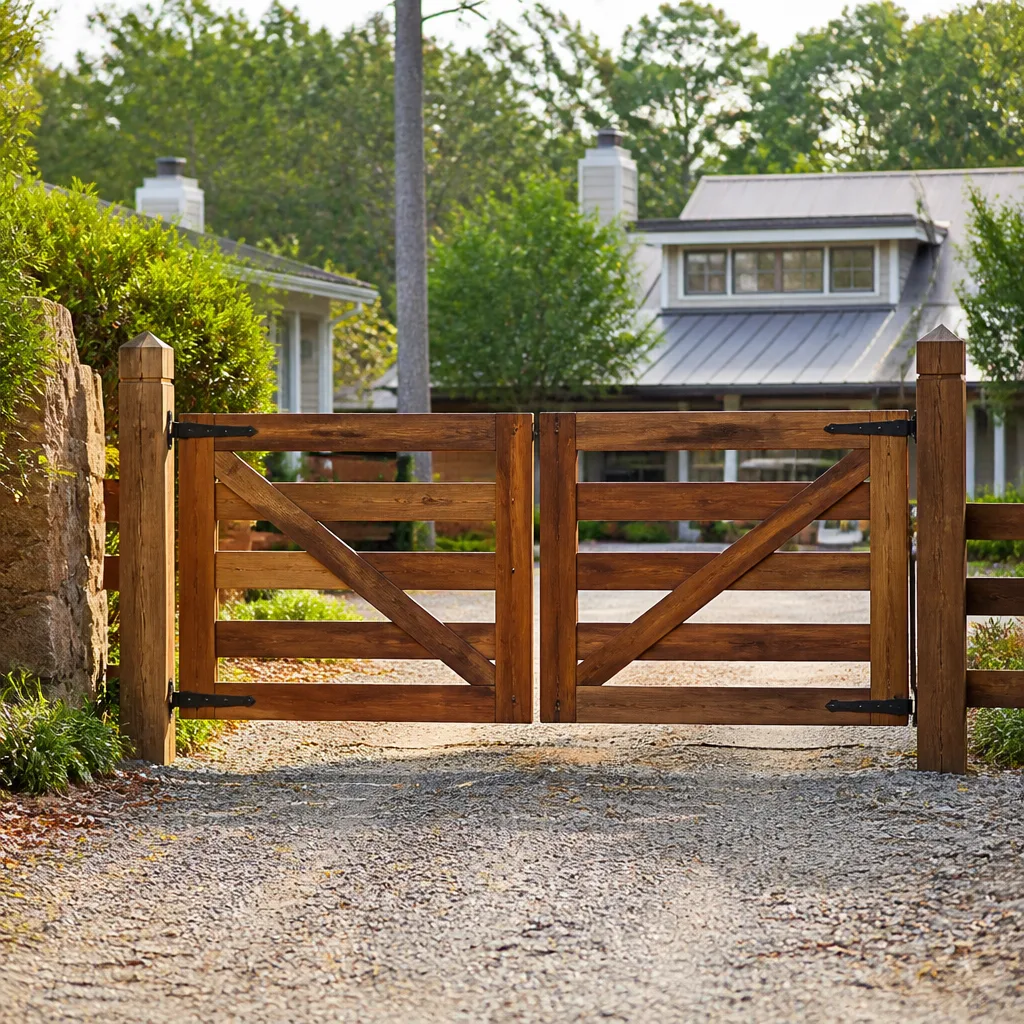 Farm & ranch
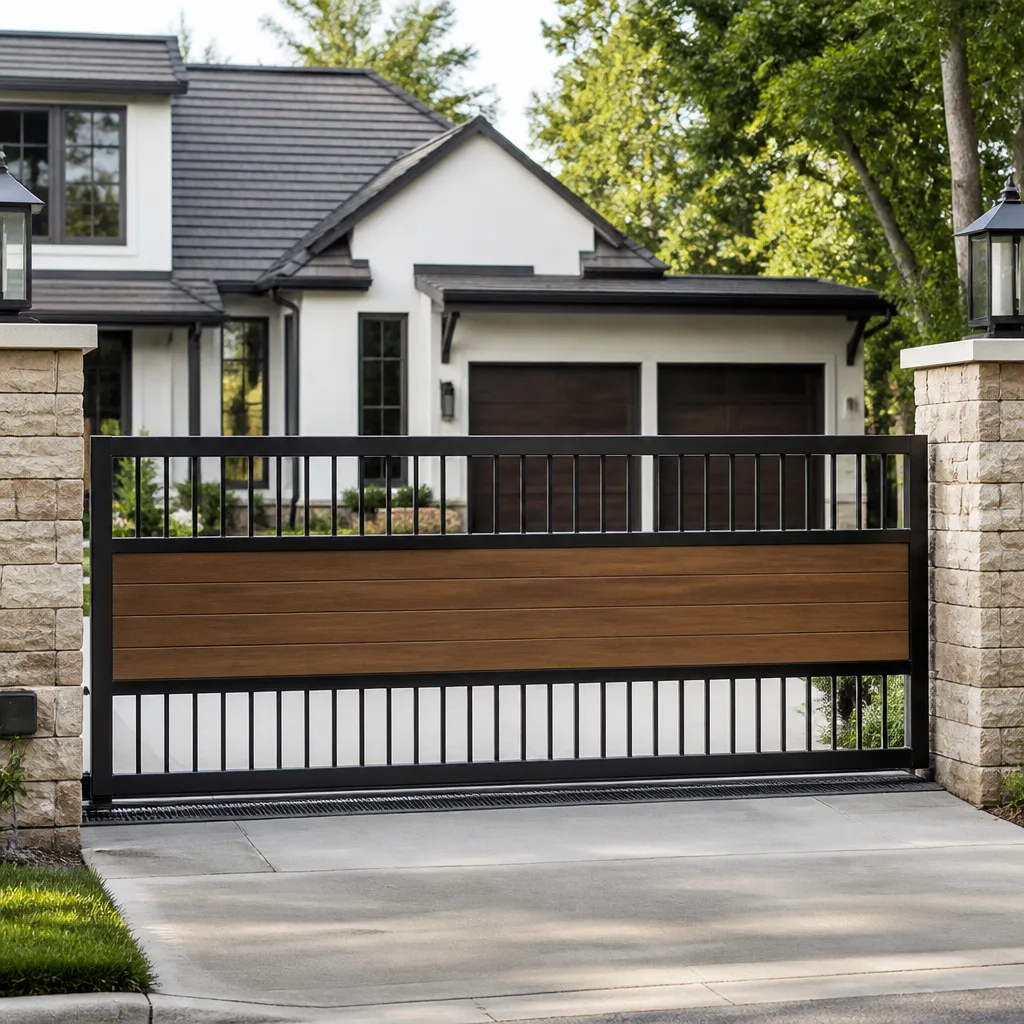 Sliding driveway gates
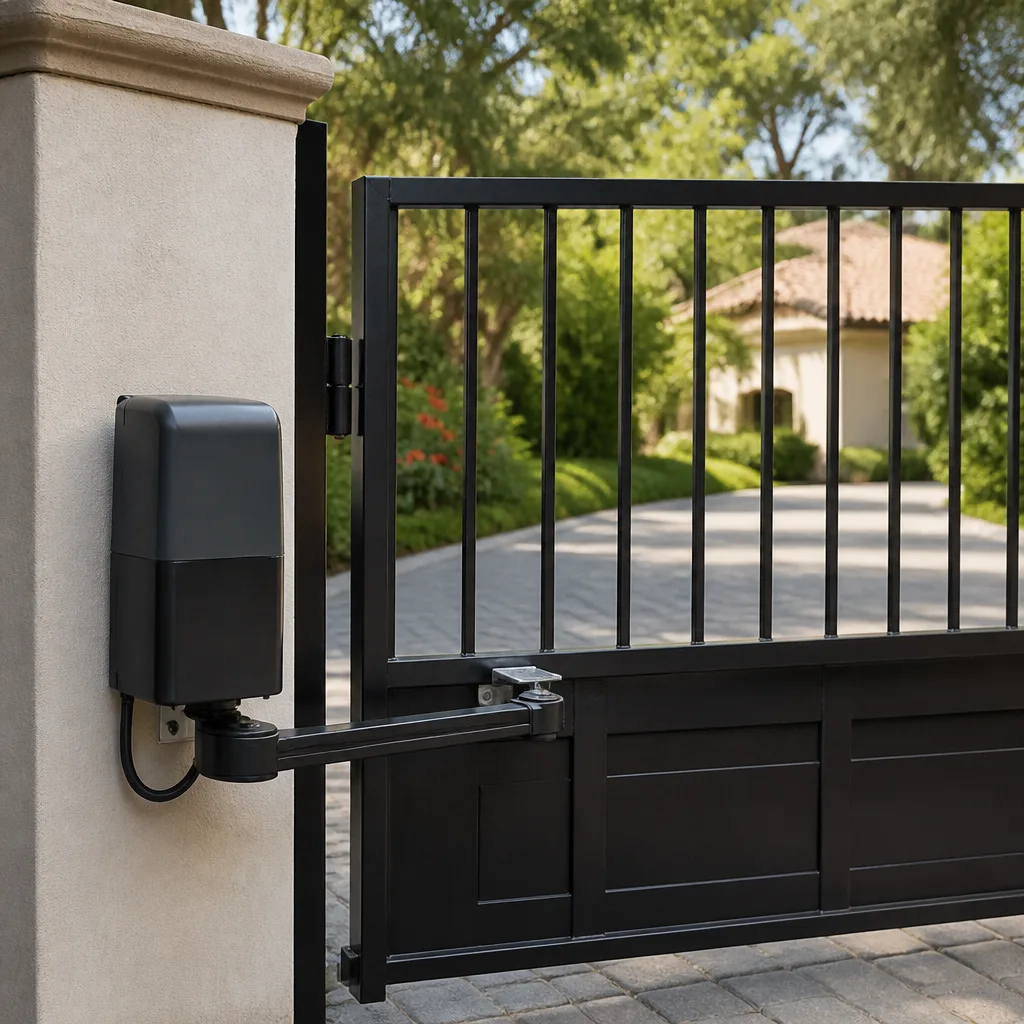 LiftMaster operators
Free on-site gate assessment - hinges, posts, and your LiftMaster or Nice gate operator checked before anything is quoted
The assessment is free and the quote is the invoice.
Get your free estimateGate Repair Warning Signs: A Yonkers Homeowner’s Reference Guide
Here’s a counterintuitive fact from our work across Yonkers: roughly 70% of the gate motors we replace were sending clear warning signals for weeks or months before they failed. The homeowner just didn’t know what they were looking at. A gate that hesitates for two seconds before moving isn’t “a little slow” – it’s a control board or limit switch flagging a fault, and ignoring it typically leads to a full motor replacement within 90 days. This guide walks through every warning sign your gate can give you, in plain language, so you can catch a $200 repair before it becomes a $1,800 replacement. We’ll cover sounds, sights, and behaviors, plus what’s worth watching versus what needs a call today.
Styles & brands we work with
Quick Answer
The most common gate repair warning signs in Yonkers are a gate that hesitates or jerks when starting, a new grinding or clicking sound during operation, a gate that stops short of or overshoots its usual position, an opener remote that needs multiple presses to work, and LED fault codes flashing on the control board. Any one of these is worth investigating. Two or more happening together means a component is actively failing and a repair call now will almost always cost less than waiting.
Table of Contents
- Audio Warning Signs: What Your Gate Is Trying to Tell You
- Visual Warning Signs: Drift, Rust, and LED Fault Codes
- Behavioral Warning Signs: Reversals, Cold Weather, and Remote Lag
- Yellow Flags vs. Red Flags: What to Watch vs. What to Call About Today
- How to Photograph and Describe Warning Signs for an Accurate Phone Estimate
- Yonkers-Specific Factors: Climate, Salt, and Local Gate Patterns
- Common Mistakes to Avoid
- When to Call a Professional
- Frequently Asked Questions
- The Bottom Line
Audio Warning Signs: What Your Gate Is Trying to Tell You
Your gate speaks. Most Yonkers homeowners just haven’t learned the vocabulary. Every sound a gate makes during operation is data, and once you know what to listen for, you can often identify the failing component before you even open the control box. Here are the three main sounds we hear on service calls across Yonkers, and what each one means.
The Grind
A grinding sound, especially on a sliding gate or a swing gate with a gear-driven opener, almost always points to the drive train. The gears inside the opener are metal on metal, and when the lubricant breaks down or a bearing starts to wear, you’ll hear a rough, scraping sound that gets louder over time. In Yonkers, we see this accelerate in winter when cold thickens whatever grease is left. A grinding gate can often be saved with a gear replacement or a proper lubrication service if caught early. Ignore it for a month or two and the gears strip entirely, which usually means a new opener.
The Click
A sharp, repeated click when you press the remote or when the gate tries to start is the sound of a relay engaging but the motor not turning. It’s the electrical equivalent of turning the key in a car and getting nothing. The click is the control board sending power, but something downstream is refusing it. Common causes: a dead capacitor (the small cylinder that gives the motor its starting jolt), a burnt contactor, or a seized motor. The good news is that a click means the control board is alive. The repair is usually a component replacement, not a board replacement, which keeps the price down.
The Hum
A low, steady hum with no movement is the motor receiving power but physically unable to turn. This is classically a capacitor failure on swing gate openers, and we see it frequently on older LiftMaster and Linear units around Yonkers. The capacitor is the part that gives the motor its initial starting torque. When it fails, the motor hums but can’t overcome the gate’s inertia. On some models, a hum can also indicate that the gate itself is binding against a post or hinge, putting more load on the motor than it can handle. Either way, the diagnosis is straightforward, and the fix is usually under $300 in parts and labor.
What About Squeaks and Creaks?
A squeak or creak is the least alarming sound on this list, but it’s still worth addressing. Squeaks come from the gate’s hinges or wheels, not the opener itself. They mean lubrication has failed or a bearing is dry. Left alone, a squeaking hinge creates friction, friction creates load, and load shortens the life of the opener motor. In Yonkers, where we get a full freeze-thaw cycle every winter, metal components expand and contract repeatedly. A squeak in November is a good signal to schedule a hinge service before deep winter makes everything stiffer.
Visual Warning Signs: Drift, Rust, and LED Fault Codes
Some warning signs don’t make a sound. You have to look for them. These are the ones most likely to be missed until the gate simply stops working one morning.
Gate Drift: When Your Gate Stops in a Different Place Every Time
Your gate should stop at exactly the same position every single cycle. Not roughly the same position. Exactly. When a gate starts stopping an inch short, or six inches past, or reverses direction slightly at the end of its travel, that’s called drift, and it’s a signature symptom of a failing limit switch. The limit switch is the small sensor that tells the gate when to stop, and when it wears or slips, the gate loses its reference point. In some cases, drift is a programming issue that a technician can correct in ten minutes. In others, the limit switch mechanism inside the opener is physically worn and needs replacement. Either way, it’s a diagnostic signal, not a quirk to live with.
Rust: Structural vs. Cosmetic
Not all rust is created equal. Surface rust on the gate’s face or pickets is cosmetic and can wait. Rust at the joints, hinges, welds, or where the gate attaches to the post is structural. Here’s the difference: cosmetic rust is flat and wide; structural rust looks like flaking layers and often has small cracks running through it. In Yonkers, structural rust accelerates faster than homeowners expect because road salt from winter plowing gets airborne and settles on metal surfaces. A structurally rusted hinge or weld will eventually fail under load, and a gate that falls off its post is a safety hazard, not just a repair bill. If you see rust at a weld or hinge, have it looked at.
LED Fault Codes by Brand
Every modern gate opener has a control board with diagnostic LEDs, and those LEDs flash in specific patterns when something is wrong. Here are the patterns we most commonly decode on service calls in Yonkers:
- LiftMaster: A control board LED that blinks 5 times in sequence typically indicates a failed RPM sensor or a motor overcurrent condition. The board knows the motor is drawing too much power or not spinning at the expected speed.
- FAAC: FAAC boards use a series of short and long flashes. Two long flashes usually points to a photocell obstruction or fault, which is the safety sensor. A rapidly flashing error LED often indicates a limit switch issue that prevents the board from completing its startup self-test.
- Apollo (Nice): Apollo control boards flash a numbered sequence that translates to a specific fault in the manual. A repeated single flash often means a stuck remote input, while three flashes usually indicates a motor or capacitor issue.
- Linear and Viking: These boards commonly use a red diagnostic LED that stays solid in normal operation and blinks when a fault is detected. The blink rate is the code. A fast, steady blink on a Viking board often signals a loop detector fault, which is the underground sensor that opens the gate for cars.
The Crawling Gate
One more visual sign that often goes unnoticed: a gate that moves noticeably slower than it used to. Openers are designed to move a gate at a specific speed, and a drop in speed means the motor is working harder than it should be. Causes include a failing capacitor (reduced starting power), a partially seized wheel or bearing, or a gearbox that’s losing lubrication. If your gate used to open in 12 seconds and now takes 20, that’s not normal aging. That’s a component under load.
Behavioral Warning Signs: Reversals, Cold Weather, and Remote Lag
Behavioral signs are the strangest category because the gate sometimes works fine and sometimes doesn’t. Intermittent problems are actually the most valuable diagnostic data you can collect, because intermittency points to specific causes.
The Gate That Reverses for No Reason
A gate that suddenly reverses direction in the middle of its travel, or right after closing, is almost always one of two things: an obstruction sensor reading a false positive, or an overcurrent protection circuit tripping. The obstruction sensors, often called photo eyes or safety edges, are designed to stop and reverse the gate if something is in the way. A misaligned photo eye, a tree branch that’s grown into the beam path, or a safety edge that’s degrading can all trigger false reversals. The overcurrent protector, on the other hand, reverses the gate when the motor pulls more amperage than it should, which usually means a mechanical bind somewhere. Both are repairable. Neither fixes itself.
The Remote That Needs Three Presses
When you have to press the remote two, three, or four times before the gate responds, homeowners often assume the remote battery is dying. Sometimes it is. But when a fresh battery doesn’t fix it, the problem is usually the receiver inside the control board, not the remote itself. The receiver is the component that listens for the remote’s signal, and receivers do fail over time. This is especially common with Gate Opener Repair jobs we handle on Ghost Controls and DoorKing systems where the remote works from 20 feet away but not from the street, or works sometimes but not others. A failing receiver often works erratically for weeks before it dies entirely, which is exactly the pattern that tells us we’re looking at a receiver issue and not a remote issue.
The Gate That Works in Warm Weather but Not Cold
This one is extremely common in Yonkers, and it’s one of the most misdiagnosed problems in the trade. When a gate works fine all summer and then starts struggling or failing in winter, the first suspect is not the motor. It’s usually the hinges, wheels, or physical gate itself. Cold weather contracts metal, which can make a marginal hinge bind. Moisture freezes inside wheel bearings. Ice builds up on the track of a sliding gate. The opener is the same unit it was in August; the physical gate is what changed. In our experience, the fix for a seasonal gate is usually a mechanical adjustment to the gate itself, not an opener replacement. A good technician will measure the gate’s current draw in cold weather and diagnose the bind instead of just selling a new motor.
The Gate That Works Manually but Not With the Remote
If the keypad works but the remote doesn’t, you have a remote or receiver issue. If the remote works but the keypad doesn’t, it’s a keypad issue. If neither works but the manual release works, the problem is in the control board or power supply. These distinctions matter, because knowing exactly which input fails tells a technician precisely where to look. When you call for service, note which inputs work and which don’t. It will save a diagnostic trip.
Yellow Flags vs. Red Flags: What to Watch vs. What to Call About Today
Not every warning sign requires immediate action. Some can be monitored, tracked, and addressed at your next convenient service. Others mean a component is actively failing right now, and every week of delay increases the eventual cost. Here’s how to sort them.
Yellow Flags: Monitor for 30 Days
These signs indicate wear or early-stage degradation. Note the date you first observed them, watch for progression, and schedule a service call if they get worse:
- Occasional squeak or creak on a specific hinge or wheel, especially in cold mornings
- Remote works inconsistently from the street but always works from the driveway
- Gate is slightly slower than it was six months ago, but still completes every cycle
- First press of the remote gets no response, but second press always works
- Light surface rust on the gate face or pickets, away from hinges and welds
- Gate stops an inch or two short of its normal position, inconsistently
Red Flags: Call Today
These signs indicate active failure. The component is not going to heal. Every day it continues to run, it’s causing more damage to itself and to adjacent components:
- Grinding, clicking, or humming that appears every single cycle
- Gate reverses mid-travel repeatedly with nothing visibly blocking the path
- Any LED fault code flashing on the control board
- Visible cracks at welds or hinges, especially with rust present
- Gate works only manually, or not at all
- Smell of burning or ozone near the opener or control box
- Gate coasts, slams, or free-falls when you release it manually
Here’s the honest math behind this list. A grinding gear caught in week one is a $250 repair. A stripped gear from ignoring the grind for two months is often a full opener replacement at $1,200 or more. The gate doesn’t care if you’re busy. The damage compounds whether you’re watching or not.
How to Photograph and Describe Warning Signs for an Accurate Phone Estimate
The single most frustrating call we receive goes like this: “My gate is making a weird noise.” That’s it. No video, no description, no context. And we have to say, “We need to see it first.” Not because we’re being difficult, but because “a weird noise” could mean twenty different things. Here’s how to get a real estimate on the phone instead of paying for a diagnostic visit.
Step 1: Record the Sound
Take a 15-second video of the gate operating, holding the phone close enough to capture the sound clearly. Do this once when the gate is behaving normally and once when it’s making the offending sound. A competent technician can identify a grinding gear or a clicking relay from a phone video with remarkable accuracy. Send the video by text or email when you request the estimate.
Step 2: Photograph the Control Board
Open the control box (with the power on, the board is safe to photograph as long as you don’t touch anything) and take a clear photo of the LED lights. Include the brand name and model number visible on the board. Also photograph the opener itself: the motor housing, the drive mechanism, and the manual release lever. Brand and model tell us which parts are likely in play and what they cost.
Step 3: Note the Pattern
Write down or text us exactly what you observe: Does the gate hesitate for a specific number of seconds before moving? Does the problem happen every time or only in cold weather? Does the remote work from the street? Which inputs work and which don’t? A note that says “remote works from 10 feet but not from the street, gate hesitates 2 seconds before moving, worse in cold” is diagnostic gold. That paragraph alone narrows the possibilities from twenty to three.
Step 4: Know Your Brand
The opener brand matters for parts availability and pricing. LiftMaster, FAAC, BFT, Linear, Viking, Ghost Controls, DoorKing, Elite, and Mighty Mule all use different boards, different gears, and different parts. A homeowner who can say “it’s a Linear LD050, installed around 2016” gets a faster and more accurate estimate than one who says “it’s a black box on a post.” The model number is usually on a sticker on the side of the opener or inside the control box.
All of this is the difference between “we need to see it first” and a real price range before we arrive. And at Calder Gate Repair Yonkers, our Gate Repair services come with a written price before any work starts, whether the estimate came from a phone call or an on-site visit. That’s our standard, and it’s not optional.
Yonkers-Specific Factors: Climate, Salt, and Local Gate Patterns
Yonkers gate repair isn’t the same as gate repair in Phoenix or Miami. The Hudson Valley climate creates specific failure patterns that we see over and over again, and knowing them helps you understand what your gate is likely to do before it does it.
Freeze-Thaw Cycling
Yonkers gets an average of 25 to 30 winter days below freezing, with repeated freeze-thaw cycles throughout the season. Each cycle causes the metal in your gate’s hinges, wheels, and tracks to expand and contract. Over a decade, that’s hundreds of expansion cycles. The result is loosened bolts, slightly warped tracks, and hinges that drift out of alignment by millimeters. None of those changes are visible to the eye, but all of them add load to the opener motor. We regularly see opener motors in Yonkers running at 20 to 30 percent higher amperage than they should be, and the cause is almost always a physical gate that’s drifted slightly out of true over years of freeze-thaw cycling.
Road Salt Exposure
If your gate faces a street, it’s getting salted every winter. Salt accelerates rust dramatically, especially at welds and bolted connections where moisture collects and can’t evaporate. We’ve seen five-year-old gates in Yonkers with hinge rust that would take twenty years to develop in a drier climate. The fix is prevention: a proper paint system on steel gates, stainless or galvanized hardware, and an annual inspection of welds and hinges. If your gate was installed by a previous homeowner and you’ve never had the hardware checked, consider this your reminder.
Sloped Driveways and Gravity Loads
Many Yonkers homes, particularly in areas like Park Hill, Crestwood, and the older sections of southeast Yonkers, have driveways on slopes. A gate on a slope has to work against gravity in one direction, which puts uneven load on the opener’s gears. The uphill direction wears the drive gear faster, and the downhill direction can cause a swinging gate to slam if the closer isn’t adjusted properly. If your gate is on a slope and you’re hearing a slight clunk at the end of each cycle, that’s the mechanical stop taking a hit it shouldn’t be taking. It’s worth adjusting.
This is also why our Gate Repair in Yonkers work involves more than swapping parts. A proper repair accounts for the geometry of your specific gate, your specific driveway, and the way Yonkers winters affect both.
Common Mistakes to Avoid
- Lubricating a grinding gear. Grinding is metal-on-metal wear, not a lubrication issue. Adding grease to a stripped or stripping gear makes it quieter for a few days, which deafens the warning signal. The metal is still wearing. If you hear grinding, the gear needs to be inspected, not sprayed.
- Replacing the remote when the receiver is failing. A new remote won’t fix a failing receiver, but it’s the first thing homeowners try because it’s the cheapest. If a new remote and battery don’t fix intermittent operation, the receiver or control board is the problem. Save the $60 and call first.
- Ignoring a gate that drifts slightly. A gate that stops an inch short today will stop six inches short next month and then reverse at the wrong time the month after. Limit switch wear is progressive. The earlier it’s caught, the cheaper the fix.
- Painting over structural rust. Paint seals moisture in as effectively as it seals moisture out. If rust is flaking at a weld or hinge, sanding and painting without addressing the underlying corrosion buys you cosmetics, not structure. A rusted weld needs to be evaluated by someone who can tell the difference.
- Waiting for the gate to fail completely before calling. This is the most expensive mistake on the list. Every day a failing component runs, it damages adjacent components. A $200 limit switch issue becomes a $1,500 opener replacement if the gate runs uncontrolled long enough. The math isn’t complicated.
- Assuming cold-weather failure means a bad motor. In Yonkers, seasonal gate failure is usually a mechanical bind from cold, not an electrical failure. Before you authorize a new opener, make sure someone has checked the hinges, wheels, and track. It’s the difference between a $200 adjustment and a $1,500 replacement.
When to Call a Professional
Here’s the simple rule: if your gate is making a sound it didn’t make a month ago, stopping in a different place than it used to, or responding to the remote inconsistently, call. The diagnostic call is the cheapest thing in this entire guide, and at Calder Gate Repair Yonkers, it’s free. We’re the dedicated gate repair specialist inside the Relay Home Co. family, which has been serving the area since 2009. Every job gets a written price before any work starts, a written guarantee on the repair, and a free second visit if the repair fails within our 365-Day Done Right Promise window. When you call (585) 496-2148, a live person answers – 24 hours a day, 7 days a week – and books your appointment with a trackable arrival time, not a four-hour window.
Frequently Asked Questions
Most gate opener repairs in Yonkers run between $180 and $450 before parts, depending on the component and the brand. A limit switch replacement typically falls in the $180 to $280 range. A capacitor replacement runs $150 to $250. A full gear replacement on a swing gate opener can reach $400 to $600 in labor plus the gear kit. Parts vary by brand: LiftMaster and Linear parts are widely available and competitively priced, while some Viking and DoorKing boards run higher. Every Calder Gate Repair Yonkers customer gets a written price before any work starts, so the number you approve is the number you pay. Not sure who to hire? Read How to Hire a Gate Repair Contractor in Yonkers: A Step-by-Step Guide first. Call (585) 496-2148 for an exact quote – estimates are free.
Yes, in most cases. We prioritize same-day service for gates that won’t close or won’t open, since a gate stuck open is a security issue and a gate stuck closed blocks your driveway. Our dispatchers live-answer 24/7, and every technician arrives with a trackable ETA that updates in real time. For non-emergency repairs like a noisy hinge or a slow gate, we’ll schedule at your convenience, usually within a day or two. Call (585) 496-2148 and a live person will tell you exactly when we can be there.
A full gate opener installation includes the opener unit, mounting hardware, safety sensors or edges, wiring to the control board, programming of remotes and keypads, and a full test of every cycle and safety feature. We also inspect the gate itself – hinges, wheels, alignment, and weight – because an opener installed on a misaligned gate will fail early. At Calder Gate Repair Yonkers, the installation includes a written price before work begins, a written guarantee, and the 365-Day Done Right Promise: if the installation isn’t right, we return and make it right at no charge.
Yes. When we handle Electric Gate Repair in Yonkers, we run the low-voltage wire from the control board to the opener, install and align the photo eyes, and test the safety edges. These components are not optional. They’re what stops the gate from closing on a car or a person. If your existing safety edges are cracked, degraded, or older than about eight years, we’ll recommend replacement as part of the repair, with the price quoted in writing before any work starts.
Cold weather causes metal to contract, which can make a marginal hinge bind, and moisture can freeze inside wheel bearings. The opener motor is the same unit year-round; it’s the physical gate that changes. The fix is almost always a mechanical adjustment to the gate’s hinges, wheels, or track, not a new opener. In Yonkers, we diagnose dozens of seasonal gate failures every winter, and more than half are resolved with adjustment and lubrication rather than replacement. For more details, see our guide on Seasonal Gate Repair Care for Yonkers: Year-Round Homeowner’s Guide. Call (585) 496-2148 for a free estimate.
It’s a written guarantee on every repair. If the repair fails within 365 days of the service date, Calder Gate Repair Yonkers returns and makes it right at no charge for the second visit. The promise is stated in writing on every job, not offered as an add-on. It’s the same standard applied across the Relay Home Co. family, which has been operating since 2009. Every repair we complete, from a simple hinge replacement to a full Gate Opener Repair in Yonkers, carries this guarantee.
The Bottom Line
Your gate is a machine, and machines don’t fail silently. They grind, click, hum, drift, reverse, and hesitate. Every one of those behaviors is a signal, and the signal is almost always cheaper to address than the failure it predicts. A $250 repair today routinely prevents a $1,500 replacement in three months. The key is knowing what to listen for, what to look for, and when to make the call. For more guides & resources, visit our blog. If you’re seeing or hearing any of the warning signs in this guide, Calder Gate Repair Yonkers offers free estimates and stands behind every repair with a written price and the 365-Day Done Right Promise. Call (585) 496-2148 and talk to a live person who can tell you what you’re dealing with and what it costs to fix.
Written by Nico Alvarez, Owner at Calder Gate Repair Yonkers, serving Yonkers since 2009.
See the difference
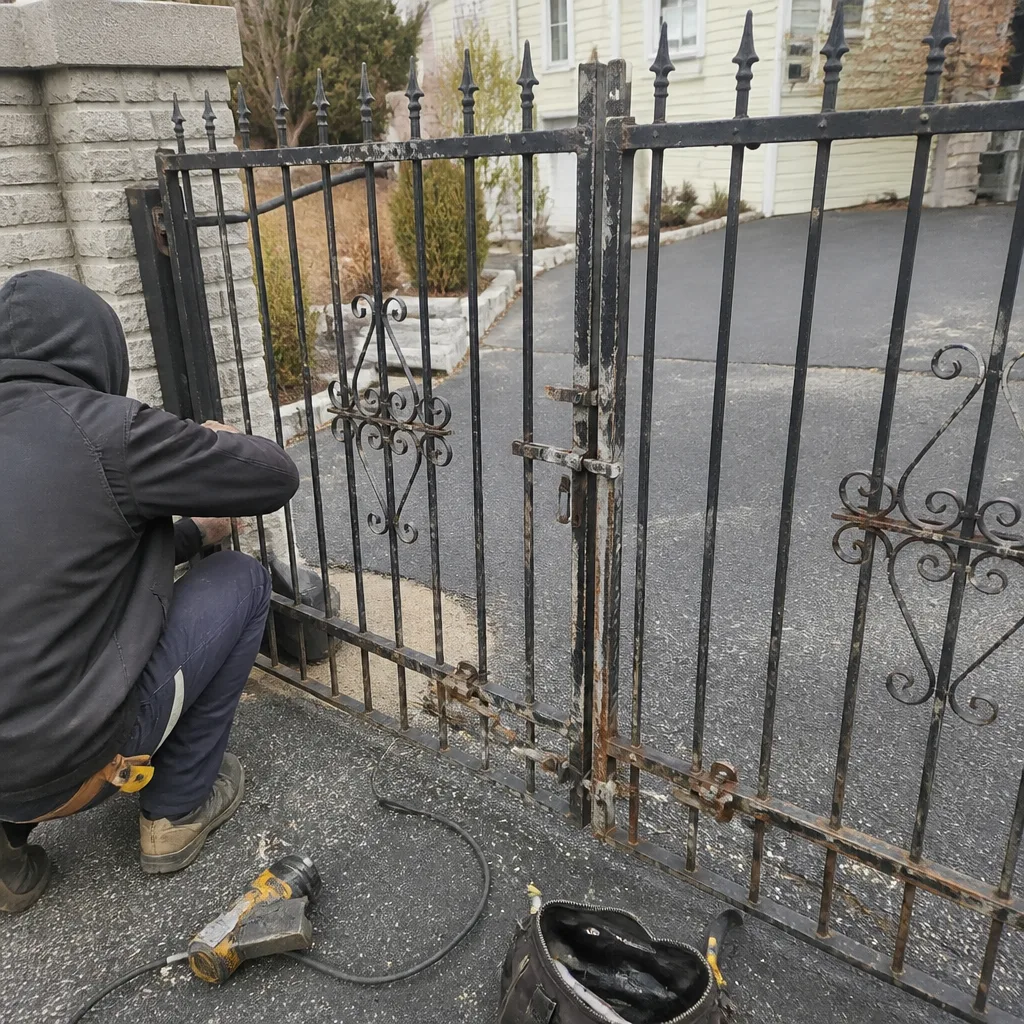 Before
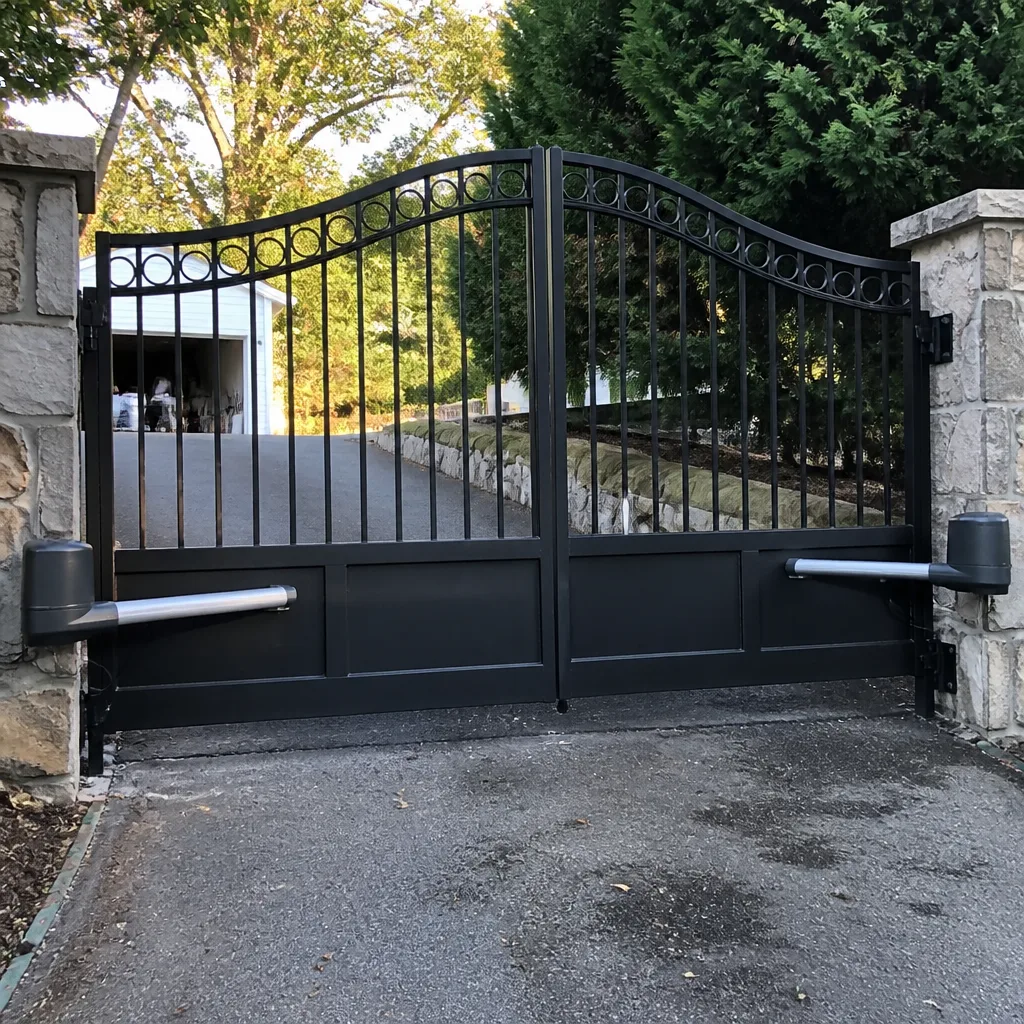 After
After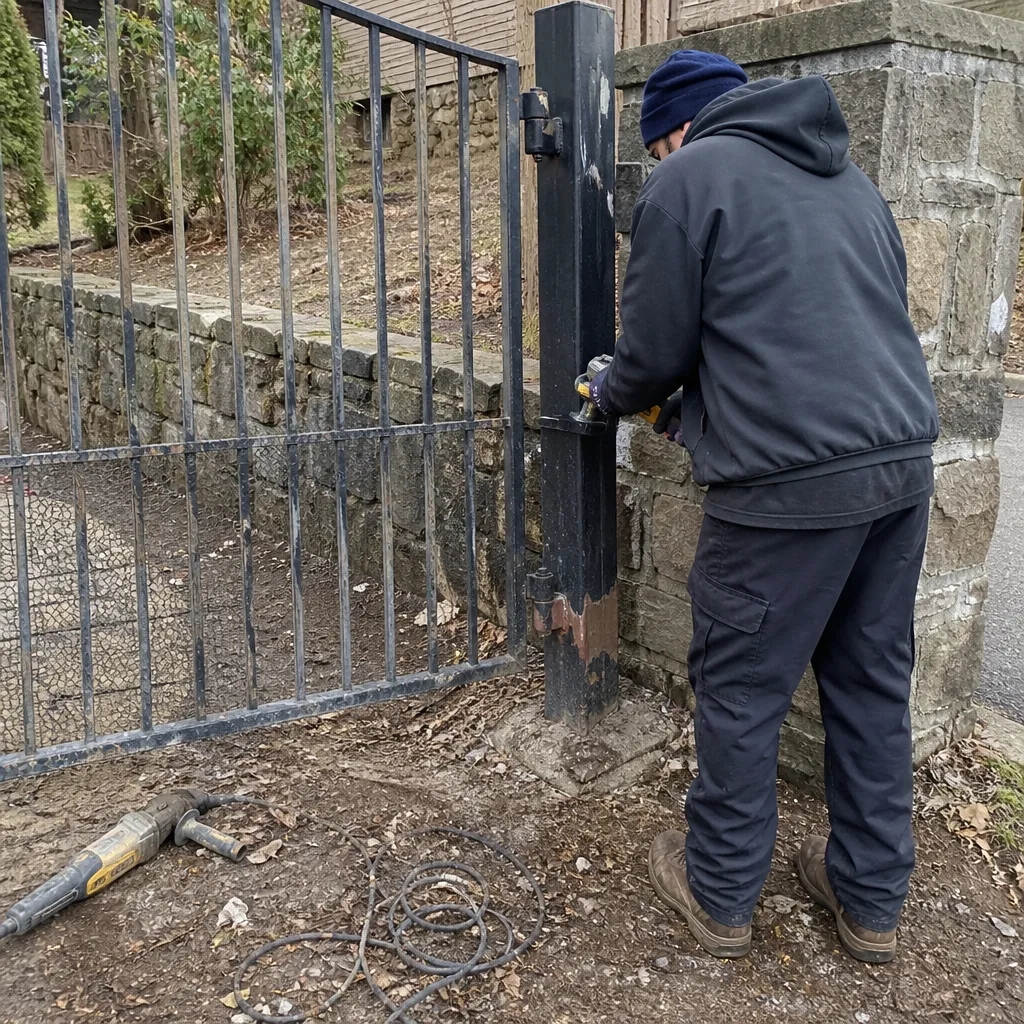 Before
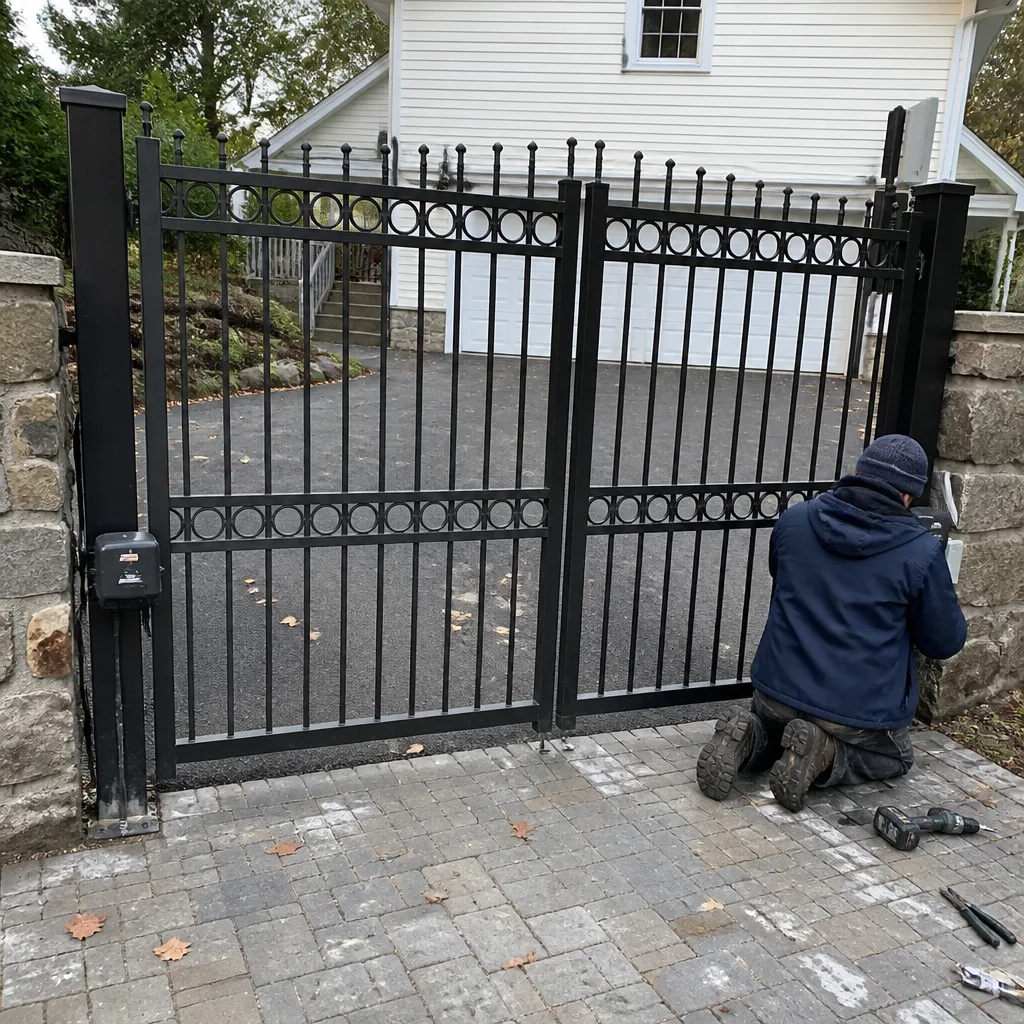 After
After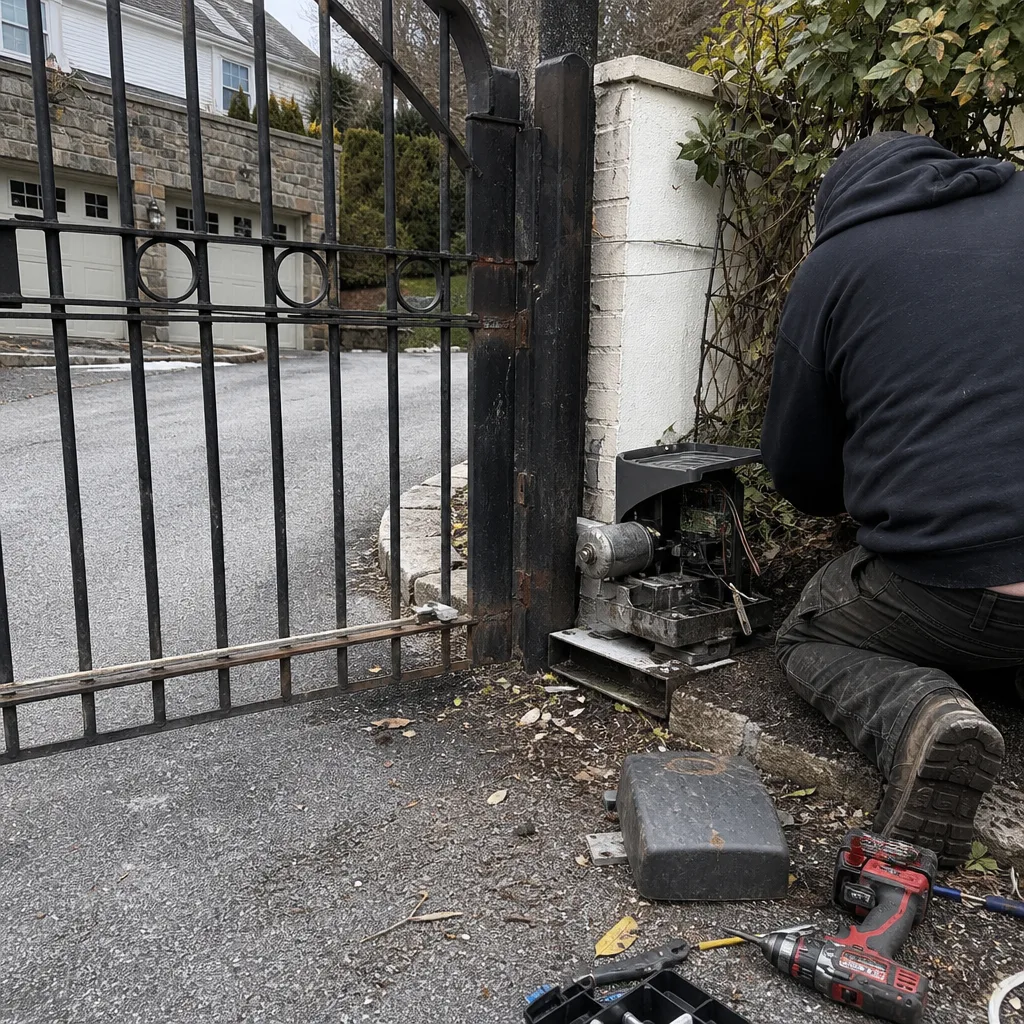 Before
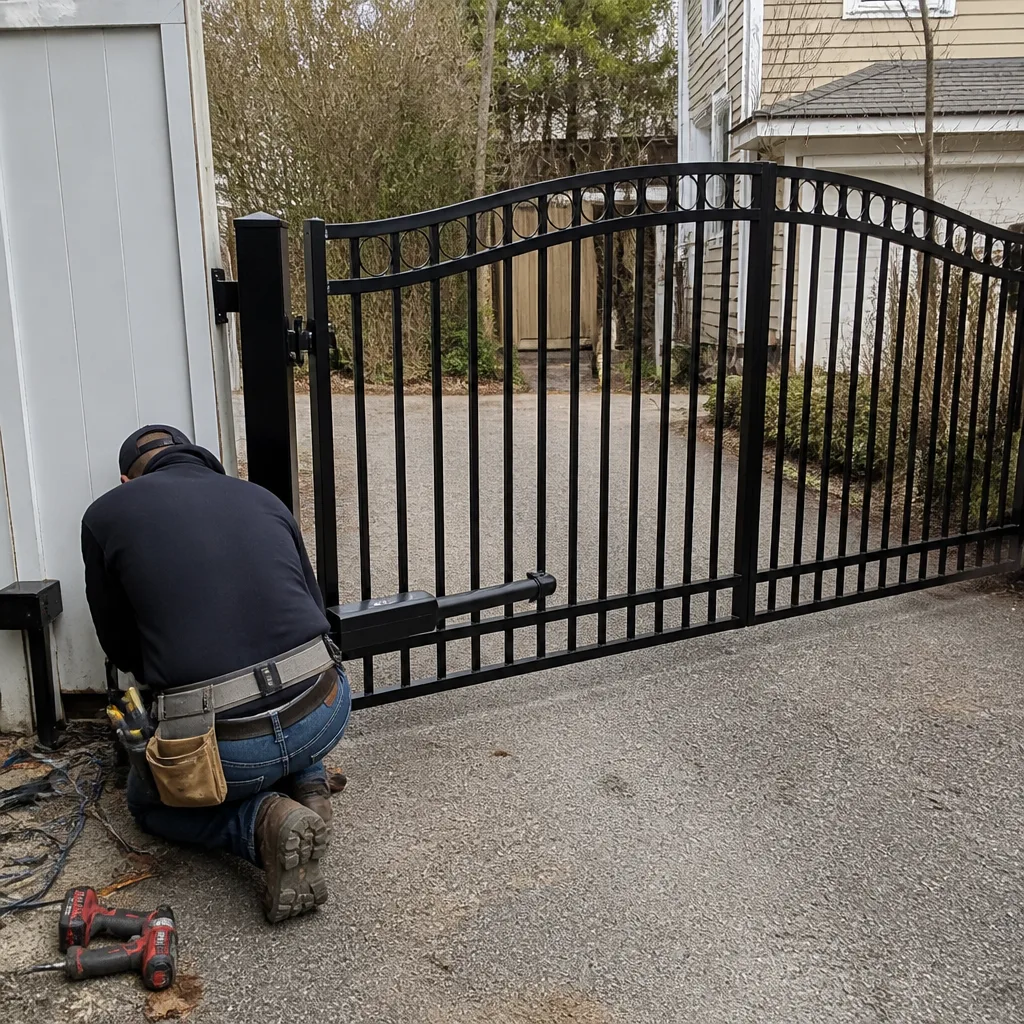 After
After