
Last updated October 16, 2026
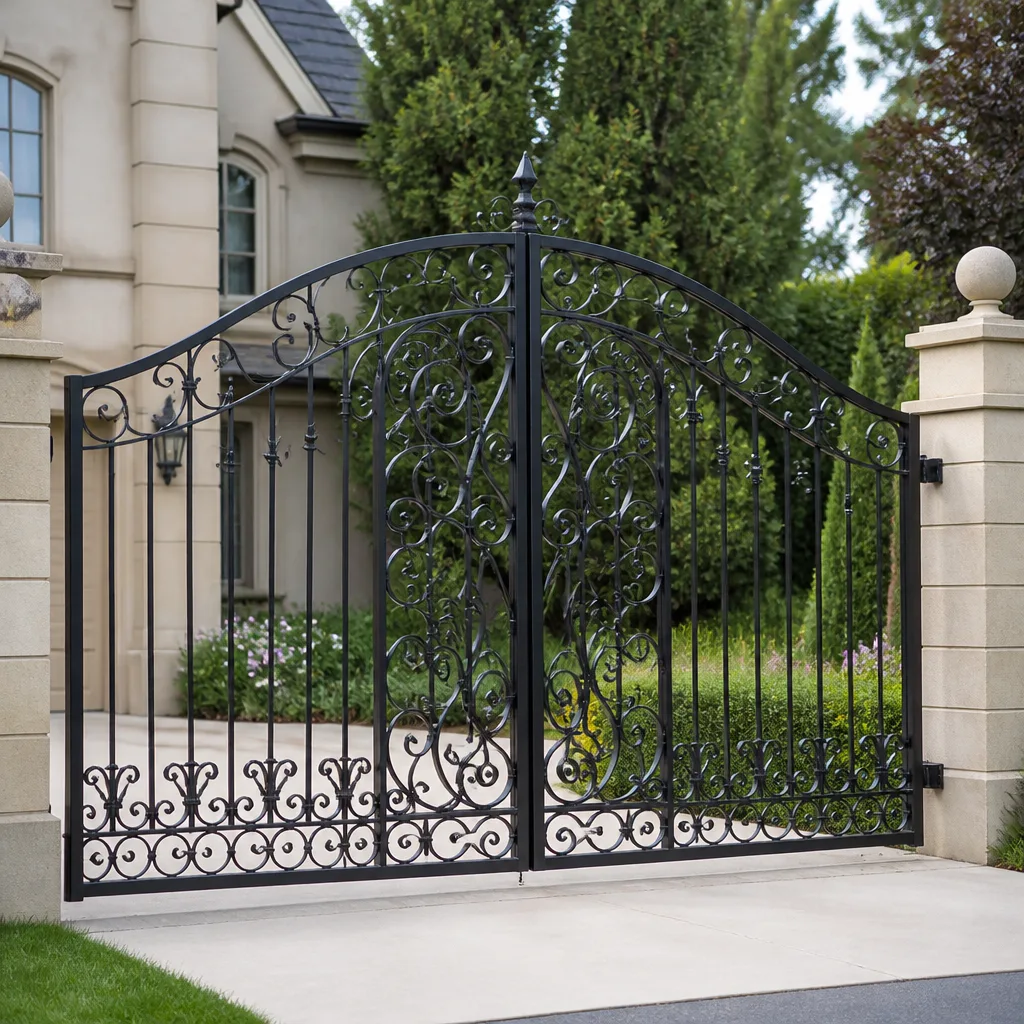 Wrought iron
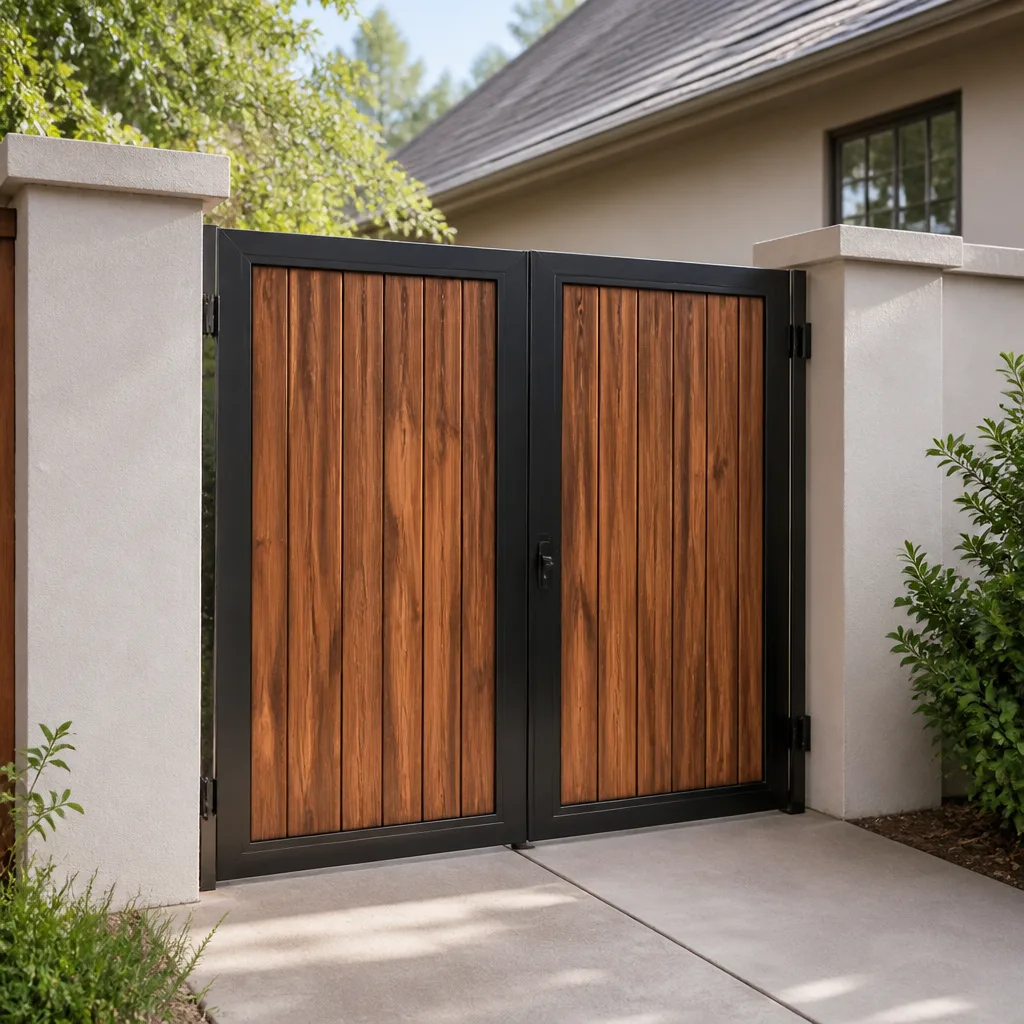 Wood & steel frame
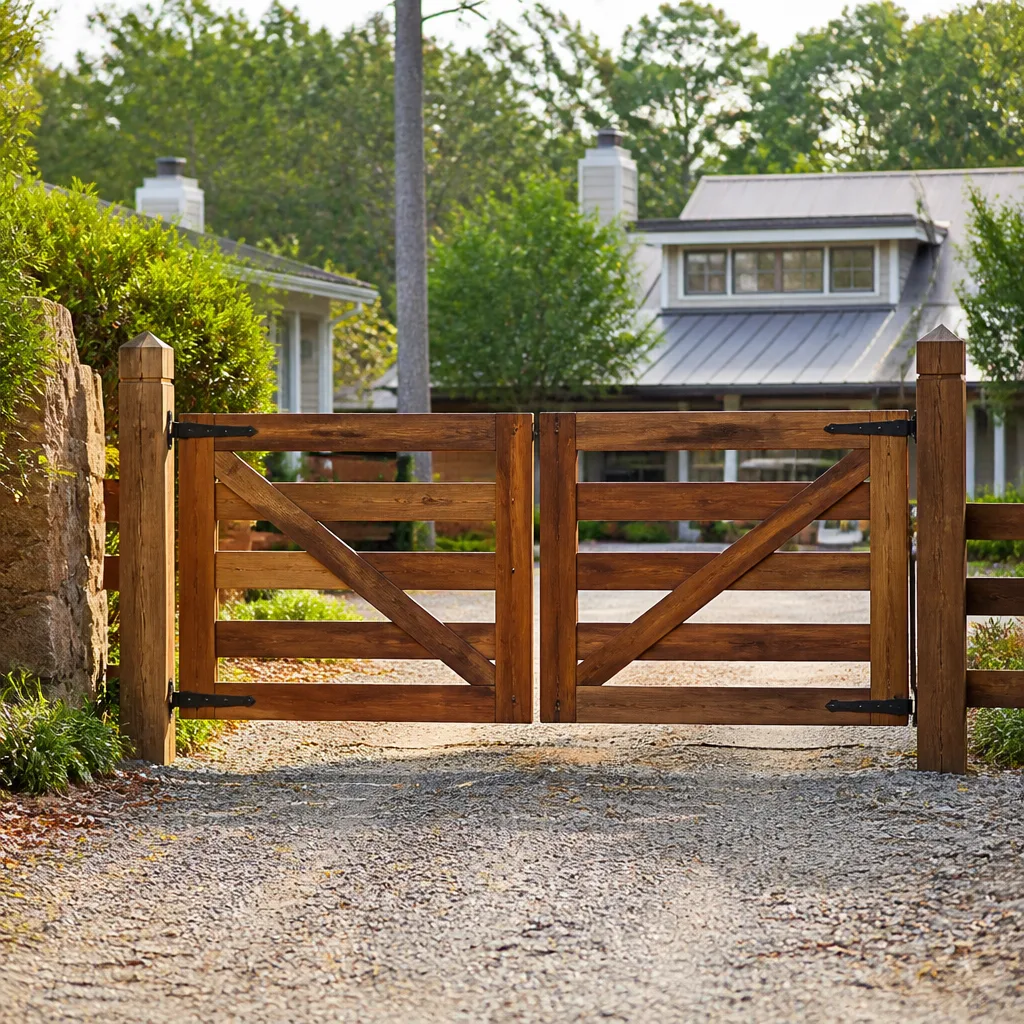 Farm & ranch
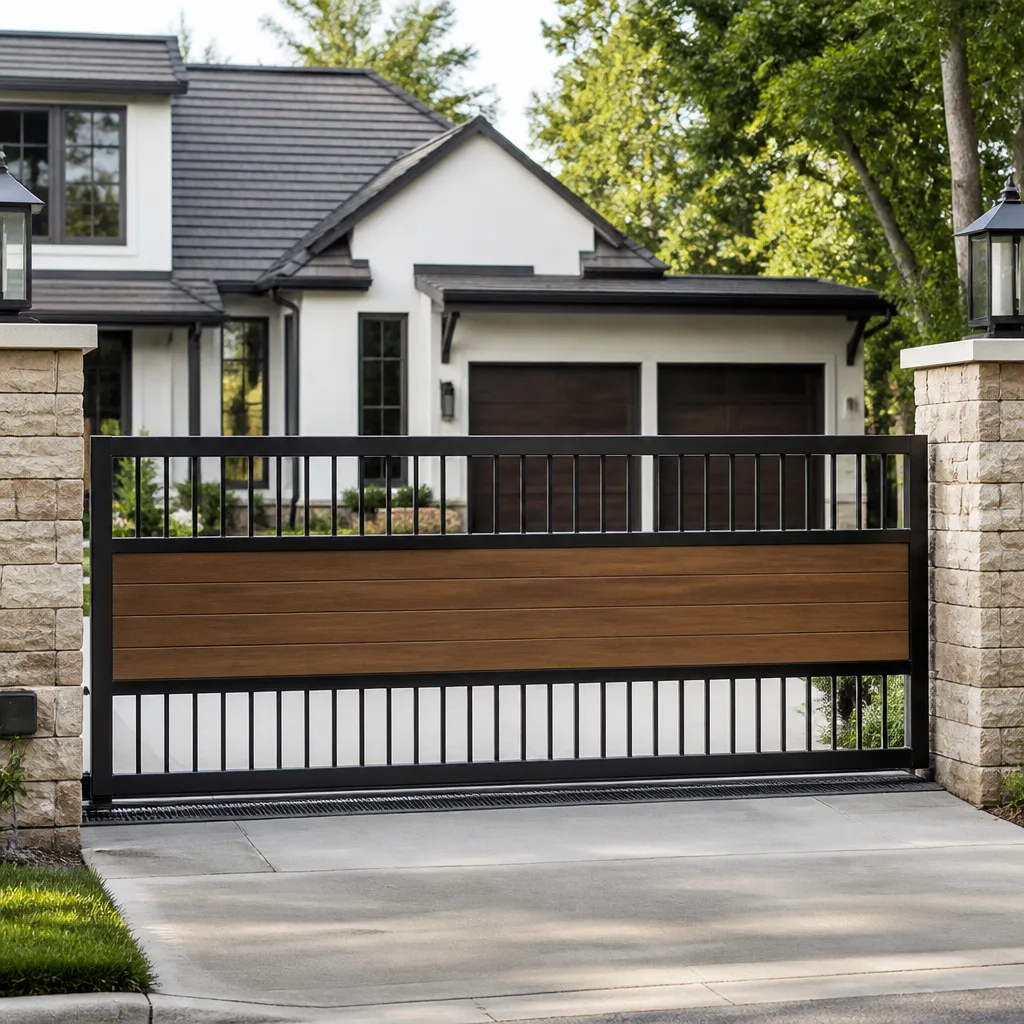 Sliding driveway gates
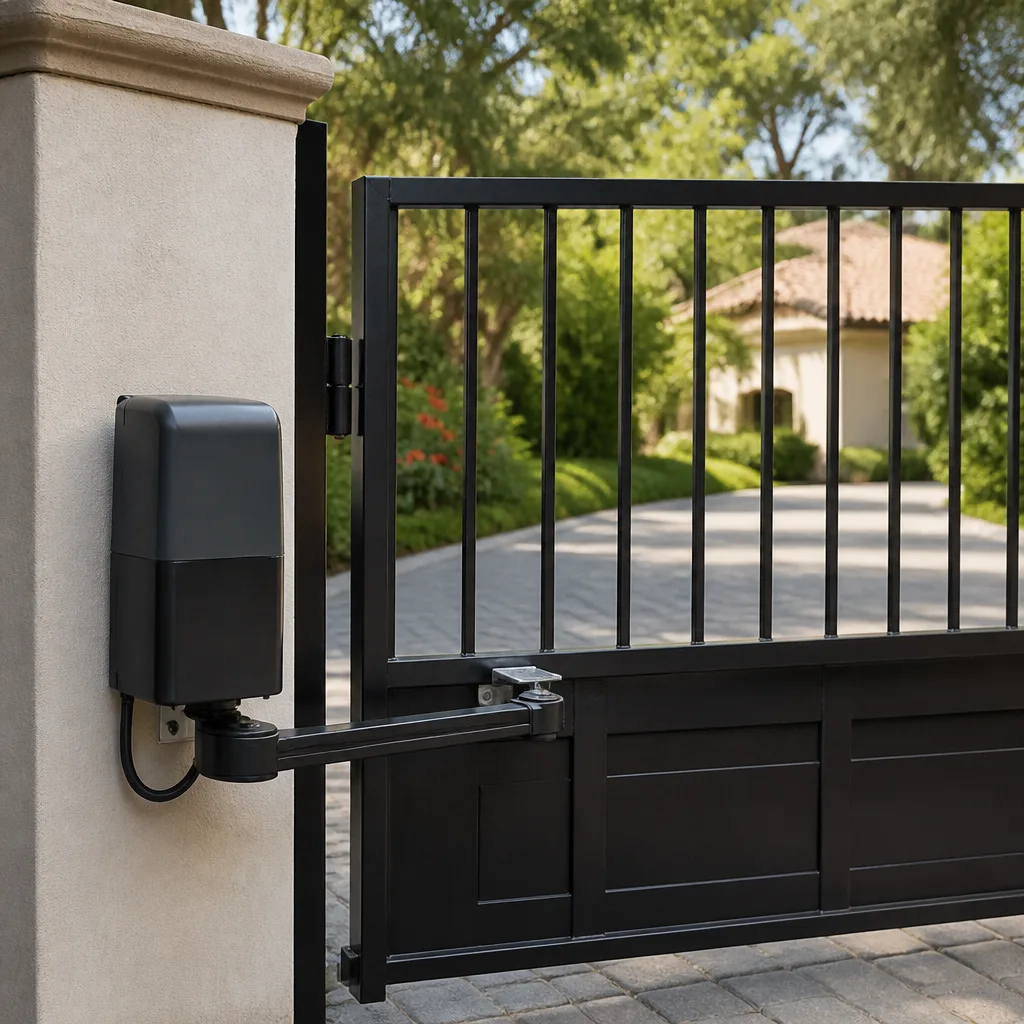 LiftMaster operators
Free on-site gate assessment - hinges, posts, and your LiftMaster or Nice gate operator checked before anything is quoted
The assessment is free and the quote is the invoice.
Get your free estimateThe Complete Guide to Gate Repair in Yonkers
Here’s the thing most Yonkers homeowners don’t hear until they’re standing in the driveway at 7 a.m., late for work, watching a gate that won’t budge: the gate isn’t broken. It’s reporting. That mid-swing stall, the grinding noise from the track, the opener that hums but does nothing. Each one is a symptom pointing to one of five root causes, and knowing which cause you’re dealing with before you call anyone changes the conversation completely. You stop guessing, you stop overpaying, and you stop getting sold repairs you don’t need. This guide breaks down every common gate problem in Yonkers by what’s actually causing it, what it should cost to fix, and when it’s time to stop patching and start replacing. We’ve been repairing gates in Yonkers since 2009, and we built this guide so you can walk into any repair conversation with a contractor and know what you’re talking about. For hands-on help, explore our Gate Repair services.
Whether your gate is swinging iron off McLean Avenue or a rolling aluminum panel on a Palmer Road driveway, the logic is the same. Let’s start with the short answer, then dig into everything else.
Quick Answer
Gate repair in Yonkers most often comes down to one of five root causes: a power delivery problem, a mechanical wear failure, a structural alignment issue, a sensor malfunction, or a control board logic fault. Repair pricing starts around $150 for simple sensor or limit switch replacements and runs up to $1,500 or more for a full opener replacement or major structural work. Getting an accurate diagnosis means understanding which of the five causes matches your symptom, because that determines whether you’re paying for a $200 fix or a $2,000 rebuild. Most importantly: any reputable gate company in Yonkers will quote a written price before any work starts.
Styles & brands we work with
Table of Contents
- The Five Root Causes Every Yonkers Gate Problem Traces Back To
- Symptom-to-Cause Map: Read the Gate Before You Call Anyone
- Why Yonkers Weather Beats Up Gates Differently
- Which Opener Brands Dominate Yonkers Driveways (and Why It Matters)
- Repair Now vs. Replace: A Cost-Threshold Decision Tree
- What a Legitimate Yonkers Gate Repair Visit Looks Like
- Common Mistakes to Avoid
- When to Call a Professional
- Frequently Asked Questions
The Five Root Causes Every Yonkers Gate Problem Traces Back To
In our experience working on gates across Yonkers, from single-family driveways in Crestwood to commercial lot gates near the Saw Mill River, every failure we see maps to one of five categories. Not six, not twenty. Five. And once you understand them, you’ll realize that most gate repair pricing makes sense immediately, because the cost difference between categories is enormous.
1. Power Delivery Failures
The gate gets electricity. When it doesn’t, nothing else matters. Power failures account for roughly a third of the “my gate won’t open” calls we field from Yonkers homeowners. The causes are usually simple: a tripped GFCI outlet (remarkably common, especially after rain when a slightly corroded outdoor outlet trips), a blown low-voltage transformer, a damaged power cable from freeze-thaw heaving, or a solar panel that’s been shaded out or covered with ice and snow all winter. In Yonkers particularly, buried cable runs that cross lawns or garden beds are vulnerable to frost heave, and we regularly see underground feeders that worked for a decade crack open after a hard January. The good news: power delivery fixes are usually the cheapest repair category, frequently resolved in under an hour.
2. Mechanical Wear and Tear
Gates are moving machines, and everything that moves eventually wears. Hinges get sloppy. Wheels on rolling gates develop flat spots. Chains stretch, belts crack, gears strip, and the operator’s internal components lose their tolerances. In Yonkers’s climate, mechanical wear accelerates in specific ways: the constant expansion and contraction of metal from winter to summer works bolts loose, and the humidity from the Saw Mill River valley means rust starts earlier and spreads faster on any exposed steel. We’ve pulled open operators in Yonkers where the internal steel gears were visibly orange with corrosion after only five seasons. Mechanical issues typically present as grinding, jerking, or a gate that moves but refuses to close fully.
3. Structural Alignment Problems
A gate is a heavy object hanging from a post or riding on a track. When the post shifts, the track warps, or the gate’s own weight distribution changes, everything downstream suffers. Yonkers’s freeze-thaw cycles are especially punishing on gate posts set in concrete: water works into the smallest gap around the post, freezes and expands, and over five or ten winters the post moves a quarter inch. That quarter inch at the post becomes an inch at the latch side, and suddenly the gate won’t latch, the safety sensors can’t align, and the opener is fighting a losing battle against gravity. Structural issues are the category homeowners most often misdiagnose as “my opener is dead” when the real problem is the gate itself has shifted.
4. Sensor and Safety Device Malfunctions
Modern gate openers in Yonkers are required to have safety devices: photo eyes, edge sensors, loop detectors, or all three depending on the install. These sensors are the number one cause of a gate that starts to close and immediately reverses, or one that refuses to close at all. Safety sensors get covered in dust, leaves, or ice. They get knocked out of alignment by a lawn mower or a car bumper. Loop detectors buried in the driveway fail silently. What makes this category frustrating for homeowners is that the sensor failure looks like a logic problem: the gate is acting like it sees an obstacle. It’s not. The sensor is just misreporting. Most sensor repairs are straightforward, but troubleshooting them without the right diagnostic tools can take hours.
5. Software and Logic Board Failures
The most misunderstood category. Opener control boards, limit switch programming, and remote transmitter pairing all live here. This is where a gate opens but won’t close, or closes but won’t open, or only responds to the keypad but not the remote. When a logic board fails, the symptoms can mimic everything else, which is why careless repair companies will sometimes replace a perfectly good opener when the actual problem was a $40 limit switch or a bad remote receiver. The key defining trait: if the gate moves but behaves erratically, or if the operator clicks or hums but the gate doesn’t move at all, suspect the logic board and its programming.
Symptom-to-Cause Map: Read the Gate Before You Call Anyone
This is the section that saves you money. Before you pick up the phone, stand in front of the gate and observe what it’s actually doing. The symptom is the diagnostic. Here’s how Yonkers gate symptoms map to the five causes above:
Gate won’t open at all. No sound. No movement.
Most likely: Power delivery failure. Check the outlet, the breaker, and whether anything else on the circuit is dead. If the opener has a manual release, try releasing it and see if the gate moves freely by hand. If it does, your problem is electrical, not mechanical. Power problems should be checked by someone who knows low-voltage wiring, but they’re rarely catastrophic repairs.
Gate hums but doesn’t move.
Most likely: A capacitor failure in the opener, a stripped gear, or a seized mechanical component. The motor is trying to run. Something between the motor and the gate is refusing to turn. This is where opening the operator to inspect the internals is necessary, and it’s a job for someone with brand-specific training, because capacitor values and gear assemblies differ significantly between LiftMaster, Viking, and FAAC units.
Gate starts to close, then reverses immediately.
Most likely: A safety sensor obstruction or misalignment. In Yonkers, particularly in the fall and winter, we see this constantly: photo eyes covered in wet leaves, edge sensors crusted with ice, or a safety loop that’s failing after years buried in a driveway where road salt runs off. Clean the photo eye lenses first. If the problem persists, the sensor may need realignment or replacement.
Gate opens fine, but stops before fully closing.
Most likely: A limit switch problem, a structural obstruction, or a programming fault. The limit switch is the small sensor that tells the gate when to stop. When it wears out or gets knocked out of position, the gate thinks it’s already reached its closed position when it hasn’t. Alternatively, the gate’s path may have developed an obstruction, like a shifted post or a track that’s collected debris. Either way, the repair is usually quick once the actual cause is pinned down.
Gate is loud, grinding, or jerky in motion.
Most likely: Mechanical wear. Hinges, wheels, chains, or gears. Sometimes lubrication and tightening resolves it. Sometimes the part needs replacement. If you hear metal-on-metal grinding, stop cycling the gate and call a repair tech, because every cycle is making the damage worse and the eventual bill larger.
Remote works intermittently. Keypad sometimes fails.
Most likely: A receiver issue, antenna problem, or logic board fault. In Yonkers’s hilly terrain, many properties have gates at the bottom of driveways where RF signal can be blocked by stone walls, dense tree cover, or the house itself. Sometimes the fix is a relocated antenna or a receiver upgrade, not a board replacement. Other times, a failing board is genuinely the cause, particularly on older openers that have lived through a decade or more of Hudson Valley winters.
Why Yonkers Weather Beats Up Gates Differently
We can’t tell you how many times a Yonkers homeowner has shown us a rusted post or a frozen track and said, “Is this normal?” Yes. It’s normal for here. The Saw Mill River valley creates a microclimate that’s humid in summer, damp through the fall, and subject to rapid freeze-thaw cycling all winter. Every gate material responds differently.
Iron gates in Yonkers are the most gorgeous and the most demanding. The humidity gets into every microscopic pore, and the freeze-thaw cycles work that moisture into expanding ice, pushing paint off and exposing bare metal. Once bare metal meets Hudson Valley air, rust starts within weeks. We regularly see iron gates where the bottom rail has rusted through from the inside out within 15 years of install. Not because the gate was bad, but because the maintenance schedule didn’t match the climate. Regular painting with a proper rust-inhibiting primer, every 3 – 5 years, is not optional for iron in Yonkers. It’s the difference between a 30-year gate and a 12-year gate.
Aluminum gates resist rust, which is why they’re common on newer Yonkers properties. But aluminum has its own weakness here: it’s softer, and freeze-thaw heaving of the ground underneath a rolling gate can warp the frame. Aluminum also expands and contracts more than steel with temperature change, which means tolerances set tight in August will be sloppy in February. If your aluminum gate suddenly started dragging this winter, the cold shrunk the metal enough to change the geometry.
Vinyl gates are the low-maintenance choice, but Yonkers’s summer sun and winter cold make vinyl brittle over time. We see cracked vinyl panels and snapped hinge mounts more often than any other vinyl failure. When vinyl gets cold enough, it becomes brittle, and a gate that’s hit by wind or bumped by a car can crack at the hinge points in January. Those cracks let water in, which freezes, which widens the crack, and by spring the gate is sagging.
Which Opener Brands Dominate Yonkers Driveways (and Why It Matters)
Every city has a brand profile, and Yonkers is no exception. When we survey the gates we service across the city, from the older Tudor properties in Lawrence Park to the newer builds near Ridge Hill, three opener brands account for the majority of what’s installed: LiftMaster, FAAC, and Viking. Each has a different personality, and each fails differently.
LiftMaster openers are workhorses, and they’re everywhere. We see them on attached garage doors and driveway gates alike. They’re tried, tested, and well-supported with parts. When a LiftMaster gate opener fails, it’s often a capacitor or a gear, and the parts are reliably available. But because LiftMaster units are so common, we see a lot of tired LiftMaster openers that are simply worn out after 12 to 15 years of Yonkers weather. At that age, replacement often makes more financial sense than repair.
FAAC openers are more common on European-style gates and higher-end installations. They’re rugged and precisely engineered, but they’re less forgiving of neglect. FAAC units are hydraulic or heavy-duty electromechanical, and when they fail in Yonkers, it’s often because the hydraulic fluid has degraded, the seals have worn, or the logic board’s components have been stressed by voltage irregularities. FAAC repairs tend to cost more because the parts are imported and less universally stocked.
Viking openers are the most common on commercial and multi-family properties in Yonkers, though we see them on larger residential estates too. They’re built for heavy use, but they’re less user-friendly for DIY diagnostics. Viking failures are often in the control board or the safety loop system. Having a technician who knows Viking’s design language matters, because the symptom-fix path for a Viking isn’t the same as for a LiftMaster.
Then there are the specialty brands we see in smaller numbers: Ghost Controls openers on newer DIY installs, DoorKing units on commercial and some high-end residential gates, and Elite openers on long driveway farm-style and estate gates. Ghost Controls and DoorKing both have devoted followings and quirks. Elite openers are heavy-duty and dependable, but parts availability is less universal here than for LiftMaster. The point: if a repair company tells you all gate openers are the same, they’re not trained on the differences. Brand familiarity is not marketing. It’s diagnostics. A Viking board doesn’t fail like a Ghost Controls board, and the right repair is different.
Repair Now vs. Replace: A Cost-Threshold Decision Tree
Every gate reaches a tipping point where putting money into repairs stops making sense. The trick is recognizing that point honestly. Here’s the framework we use with Yonkers homeowners:
Step 1: Identify the repair category.
Power delivery and sensor repairs are almost always worth doing. The cost is low (typically $150 – $400 before parts), and the rest of the gate and opener remains fundamentally sound. Fixing a tripped breaker or a misaligned photo eye on a 10-year-old LiftMaster is a smart repair.
Step 2: Look at the opener’s age and brand.
Most residential gate openers last 10 to 15 years in the Yonkers climate before major components start failing. If your opener is within that window and the repair is under $500, repair almost always wins. If the opener is past 15 years and the repair involves a control board replacement ($400 – $800) or a gear assembly rebuild ($500 – $900), replacement of the entire operator often makes more long-term sense.
Step 3: Evaluate the gate structure.
This is often the deciding factor. A gate post that has shifted in its concrete, a track that’s warped, or a gate frame that’s rusted through is not an opener problem. It’s a structural problem, and structural repairs range from a few hundred dollars for track realignment to $2,000 – $4,000 for post resetting or gate frame rebuilding. But here’s the real question: is the gate itself worth saving? A solid steel or wrought iron gate can always be structurally repaired, even if the price is significant. A vinyl gate with multiple cracked panels or an aluminum gate that’s warped across its whole span is usually better replaced.
Step 4: Compare repair cost to replacement cost by percentage.
A useful threshold: if the repair costs more than 50% of a full replacement, replace. If the repair is under 30% of replacement, repair. Between 30% and 50%, consider the gate’s overall condition, age, and your long-term plans for the property. Full gate and opener replacement in Yonkers typically starts around $3,500 and can run to $12,000 or more for custom iron, long driveways, and commercial-grade openers.
- Repair if: The cost is under $500, and the gate structure is sound.
- Repair if: The repair is under 30% of replacement cost, even for larger fixes.
- Consider replacing if: The repair is over 50% of full replacement cost.
- Consider replacing if: The gate is over 20 years old and has had two or more repairs in the past three years.
- Always replace if: The gate structure is unsafe, the frame has rusted through in multiple places, or the post has shifted enough that the gate no longer hangs true.
What a Legitimate Yonkers Gate Repair Visit Looks Like
When you hire a gate repair company in Yonkers, you should know exactly what a professional visit entails. Not every company operates this way, but the good ones do. Here’s what we’ve built Calder Gate Repair around, and what you should hold any contractor to:
First, the price comes before the work. Not a rough estimate. A written price. The quote reflects the actual diagnosis, the parts required, and the labor involved. You agree to it, or you don’t. Either way, you know the number before a single bolt gets turned. No one should ever be surprised by an invoice on gate work.
Second, the technician shows up when they say they’ll show up. At Calder Gate Repair, every dispatch includes a live, trackable arrival time. You see who’s coming, what they’re driving, and when they’ll arrive. Not a four-hour window. A real arrival time.
Third, the technician is background-checked, uniformed, and prepared to show you the problem. We believe in showing, not telling. If a limit switch is failed, you’ll see it. If a gear is stripped, we’ll show you the gear. You shouldn’t have to trust that a repair was necessary; you should be able to see it.
Fourth, every repair carries a written guarantee. Our guarantee is called the 365-Day Done Right Promise. If the repair fails within 365 days, Calder returns at no charge. It’s stated in writing on every job. That’s not a marketing gimmick. It’s the only way we know to make sure the repair is always done correctly the first time, because we’d rather do it right than do it twice.
And fifth, you get documentation. Before-and-after photos, a digital invoice you can pay from a link, and a clear record of what was done. No paper scribbles, no vague “we fixed some things.” This is what we call The Relay Standard, and it’s the way every home service visit should go.
Common Mistakes to Avoid
- Ignoring a slow or noisy gate. A gate that’s getting progressively slower or louder is telling you a mechanical failure is developing. Every week of ignoring it adds wear to unaffected components and increases the eventual repair cost. In Yonkers, where a rusty hinge can seize in a single winter if left untreated, this is especially costly.
- Replacing batteries in remotes before checking the receiver. We see this constantly: homeowners burn through a pack of remote batteries, replace the keypad batteries, and the gate still only works sometimes. If all remotes fail together, the problem is almost certainly the receiver or antenna, not the remotes. Save yourself the battery money.
- Lubricating a gate without cleaning it first. Spraying fresh lubricant onto a gritty, dirt-crusted track or hinge creates a grinding paste that accelerates wear. Clean the surfaces first, then lubricate. And use the right lubricant: white lithium grease or silicone, not WD-40.
- Attempting to repair opener internals without disconnecting power. This mistake leads to injuries. Gate opener capacitors store enough charge to shock you even when the unit is unplugged. If the repair requires opening the operator housing, that’s a professional’s job, not a Saturday project.
- Hiring the cheapest bid without asking what it includes. A $75 diagnostic fee that doesn’t include the repair is not the same as a $150 repair quote. Ask three questions: Is the quote written before work starts? Is there a guarantee on the repair? And will the technician show the actual failure? If the answer to any of these is no, keep looking.
- Skipping seasonal maintenance on iron gates. If you have a wrought iron gate in Yonkers, you need to inspect it every spring and touch up any paint chips or rust spots before fall. A $50 paint touch-up saves you a $1,500 rust repair five years later. Not an exaggeration.
When to Call a Professional
Some gate problems are genuinely safe to investigate yourself: tripped breakers, blocked photo eyes, debris in the track. But some are not. If your gate has come off its track, if a hinge has broken, if the opener is making a loud grinding sound, or if the gate is hanging visibly crooked, stop cycling it and call a professional. Continuing to operate a structurally compromised gate can turn a $500 repair into a $3,000 rebuild, and an unsecured heavy gate is a safety hazard, not just an inconvenience. If you’re unsure whether your gate is safe to operate, err on the side of caution. Calder Gate Repair Yonkers offers free estimates in Yonkers, and you can reach a live person at (585) 496-2148 any time to talk through what you’re seeing. Written price first, always. If we can’t fix it, we’ll tell you, and we won’t charge you for work that wasn’t needed.
Frequently Asked Questions
Most gate repairs in Yonkers run between $150 and $600 before parts, depending on the root cause. Simple sensor realignments, limit switch replacements, and capacitor swaps are usually $150 – $300. Gear assembly rebuilds and control board replacements typically run $400 – $800. Full opener replacement, including labor, starts around $800 and can reach $2,000 or more depending on the brand and type. Structural repairs like post resetting or track replacement are a separate category, generally $1,000 – $4,000. The only way to know your exact price is a proper diagnosis. Call (585) 496-2148 for a free estimate in Yonkers, and you’ll get a written quote before any work starts.
Yes, many gate repairs can be completed the same day in Yonkers when the parts are on hand. Common issues like photo eye realignment, limit switch replacement, power restoration, and track cleaning are often resolved in a single visit. More involved repairs, like gear rebuilds or control board replacements, may require a day or two for parts, especially for FAAC or Viking units that require specific components. When you call Calder Gate Repair Yonkers at (585) 496-2148, we’ll tell you before you book whether your job is likely a one-visit fix or has a parts lead time, so you’re never guessing.
The most common gate problem we see across Yonkers is a safety sensor failure that causes the gate to reverse or refuse to close. Photo eyes blocked by leaves, ice, or snow in winter, and edge sensors degraded by years of exposure to road salt and Hudson Valley humidity, are the usual culprits. The fix is often a simple realignment or sensor replacement, but the symptom looks much more serious to a homeowner than the actual repair is. For more guides & resources on keeping your gate running smoothly, visit our blog.
It depends on the policy and the cause of the failure. Most home warranty plans cover mechanical breakdowns of gate openers if the opener was professionally installed and maintained, though coverage limits and service fees vary. Homeowner’s insurance typically covers only sudden damage from a covered peril, like a tree falling on the gate or a vehicle striking it, not wear and tear or component failure. The fastest way to get clear is to review your policy, and if you need documentation of the failure, a professional diagnosis with photos is always useful when filing a claim.
In the Yonkers climate, with its humid summers, damp falls, and freeze-thaw winters, most residential gate openers last between 10 and 15 years. Brands like LiftMaster, FAAC, and Viking can all hit 15 years or more with proper maintenance. Openers that are exposed, poorly ventilated, or subjected to frequent power surges on Yonkers’s older electrical grids will wear out on the shorter end of that range. If your opener is approaching 15 years and starting to fail, a full replacement often makes better financial sense than repeated repairs.
Yes, full gate installation in Yonkers includes the complete power run, from the opening of the existing circuit to the operator location, plus the installation of all required safety edges, photo eyes, and loop detectors. In Yonkers, buried power runs must be installed to code, with proper conduit and burial depth, and safety devices are legally required on any automatic gate. We handle every part of it, from trenching to final programming. Call (585) 496-2148 for a free measure and a written installation quote for your Yonkers property.
The Bottom Line
Gate repair in Yonkers doesn’t have to be a guessing game. Every failure traces to one of five root causes: power, mechanical, structural, sensor, or logic. Learn to read the symptoms, and you’ll know what kind of repair you’re dealing with before you ever pick up the phone. In this climate, with its humidity and freeze-thaw cycles, regular seasonal maintenance is the difference between a 30-year gate and a 12-year gate, and choosing a repair company that quotes a written price, shows the actual failure, and backs the work with a written guarantee means you never pay for a repair that wasn’t needed. The Calder Gate Repair Yonkers team has been fixing gates here since 2009, and we’re available whenever you need us. Call (585) 496-2148 for a free estimate. You’ll get a live person, a real arrival time, and a price in writing before any work starts.
Written by Nico Alvarez, Owner at Calder Gate Repair Yonkers, serving Yonkers since 2009.
See the difference
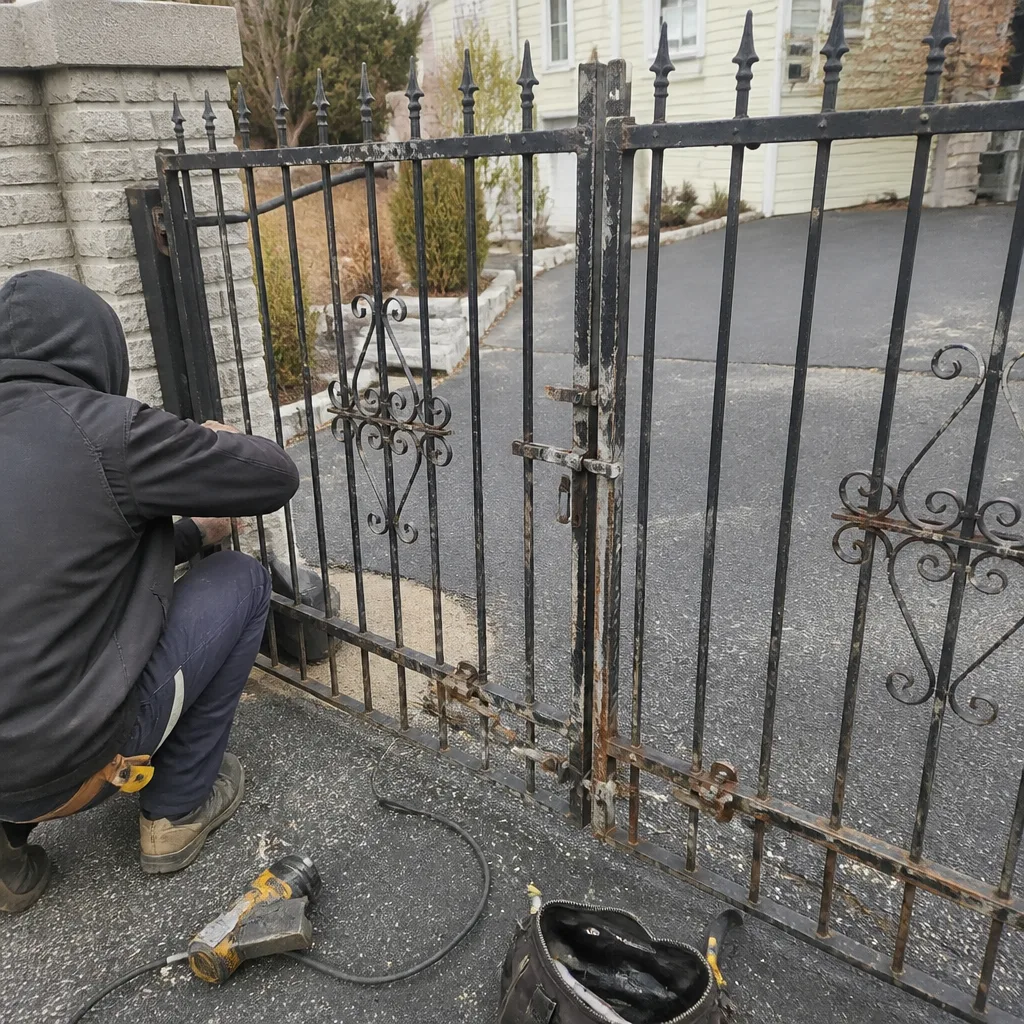 Before
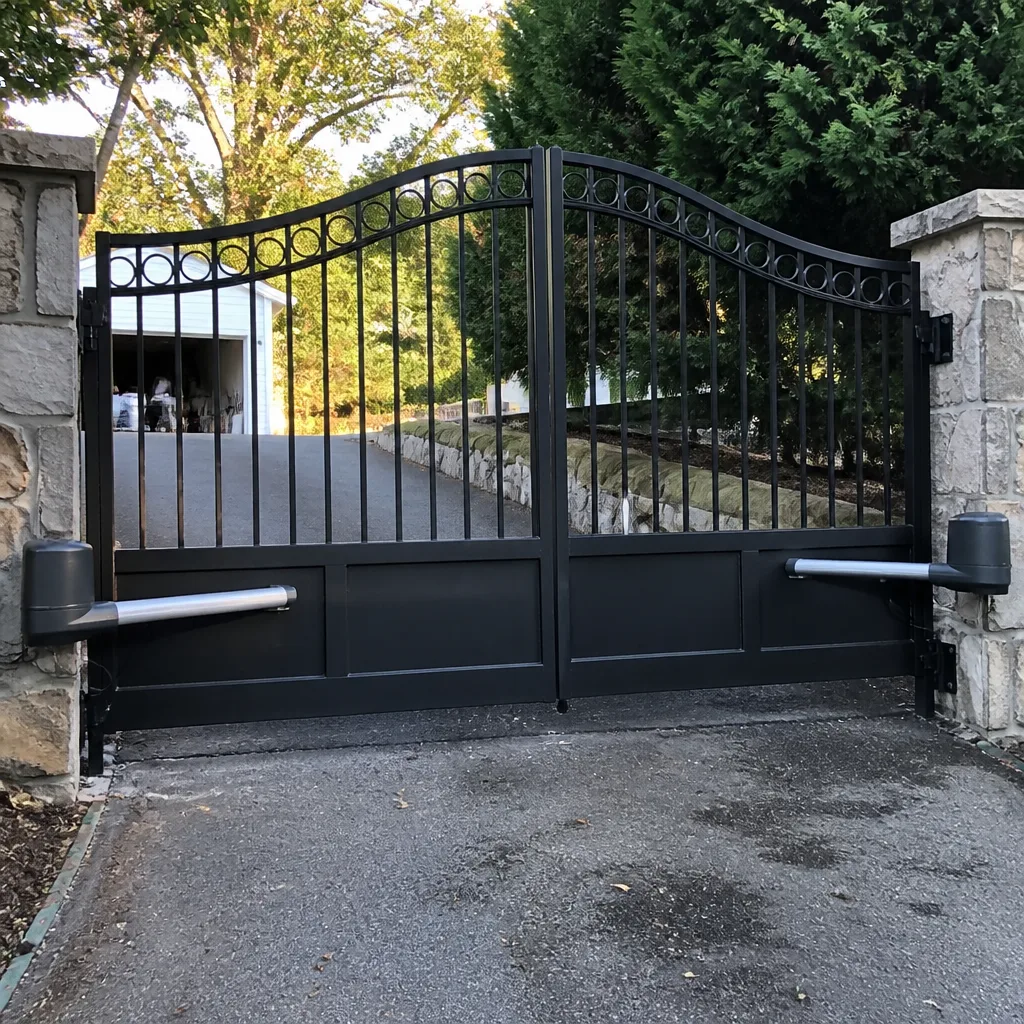 After
After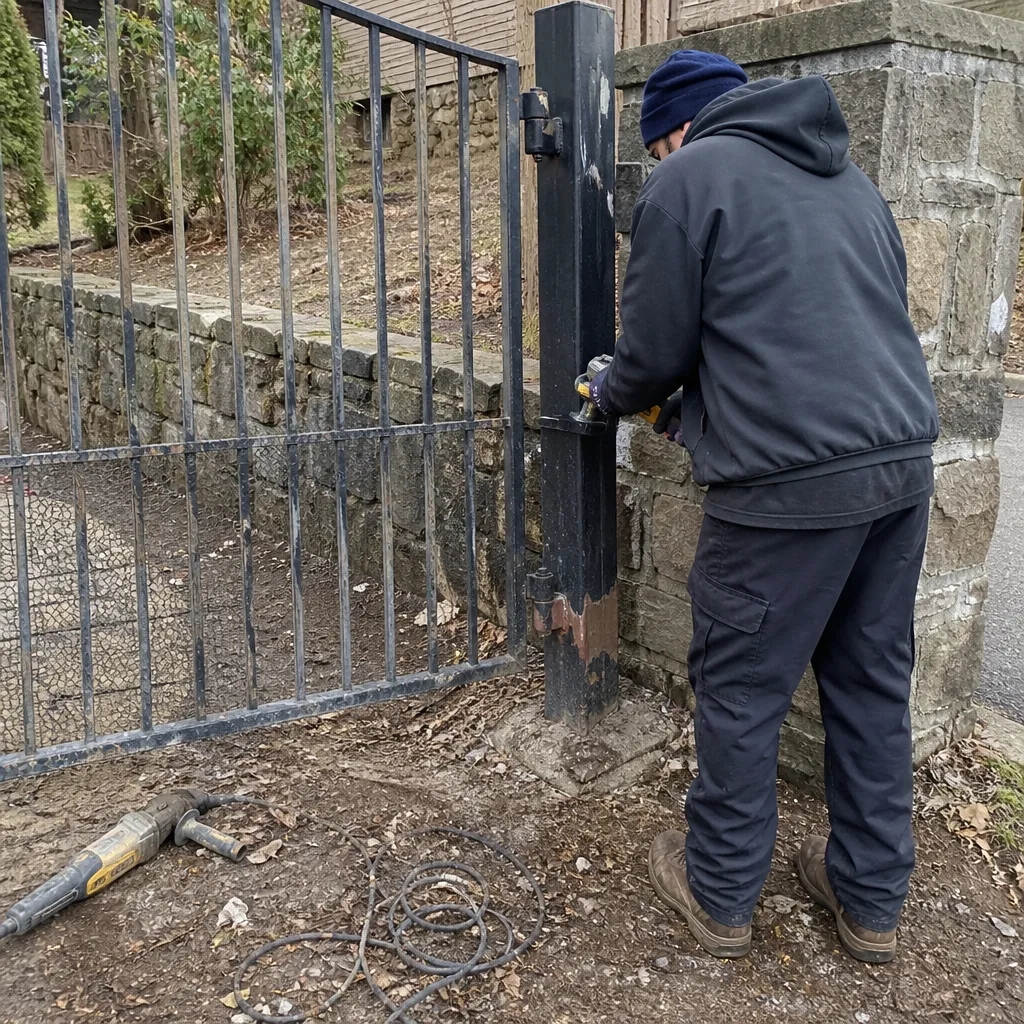 Before
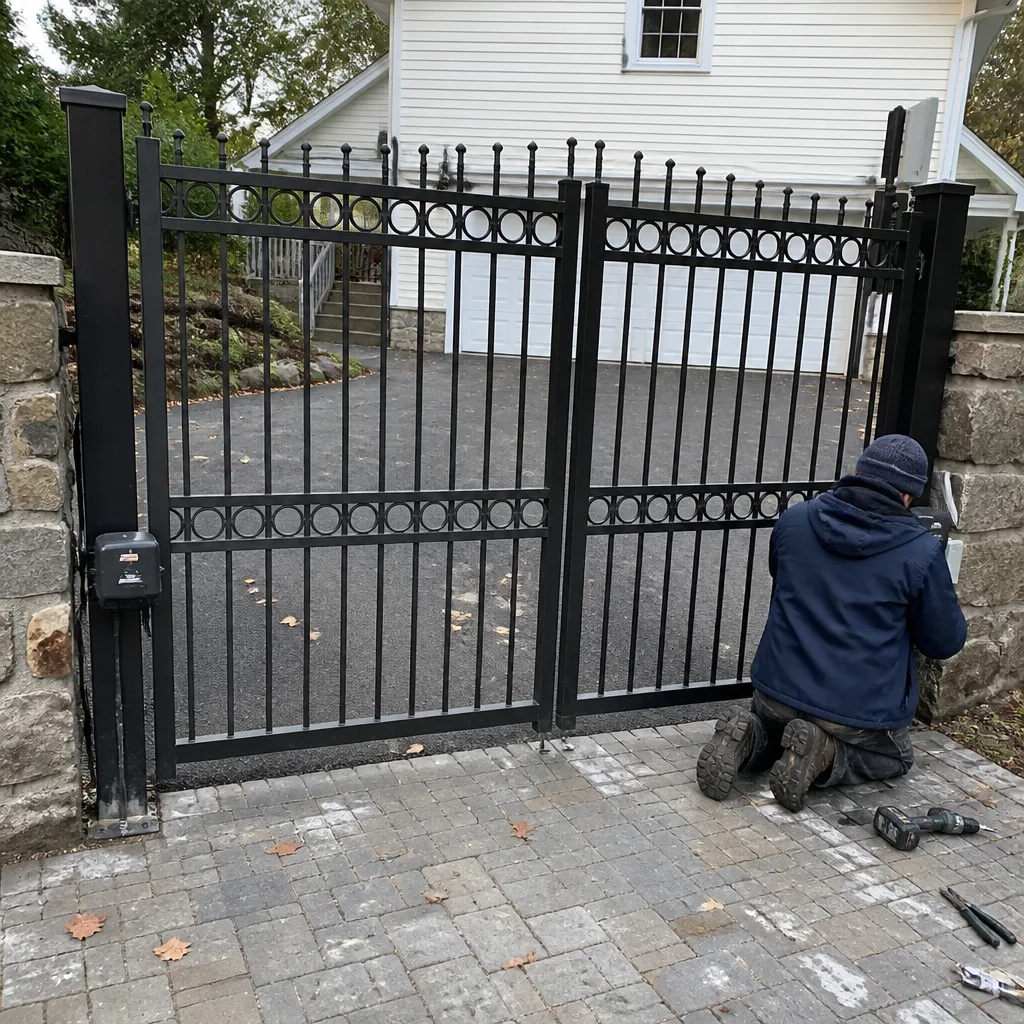 After
After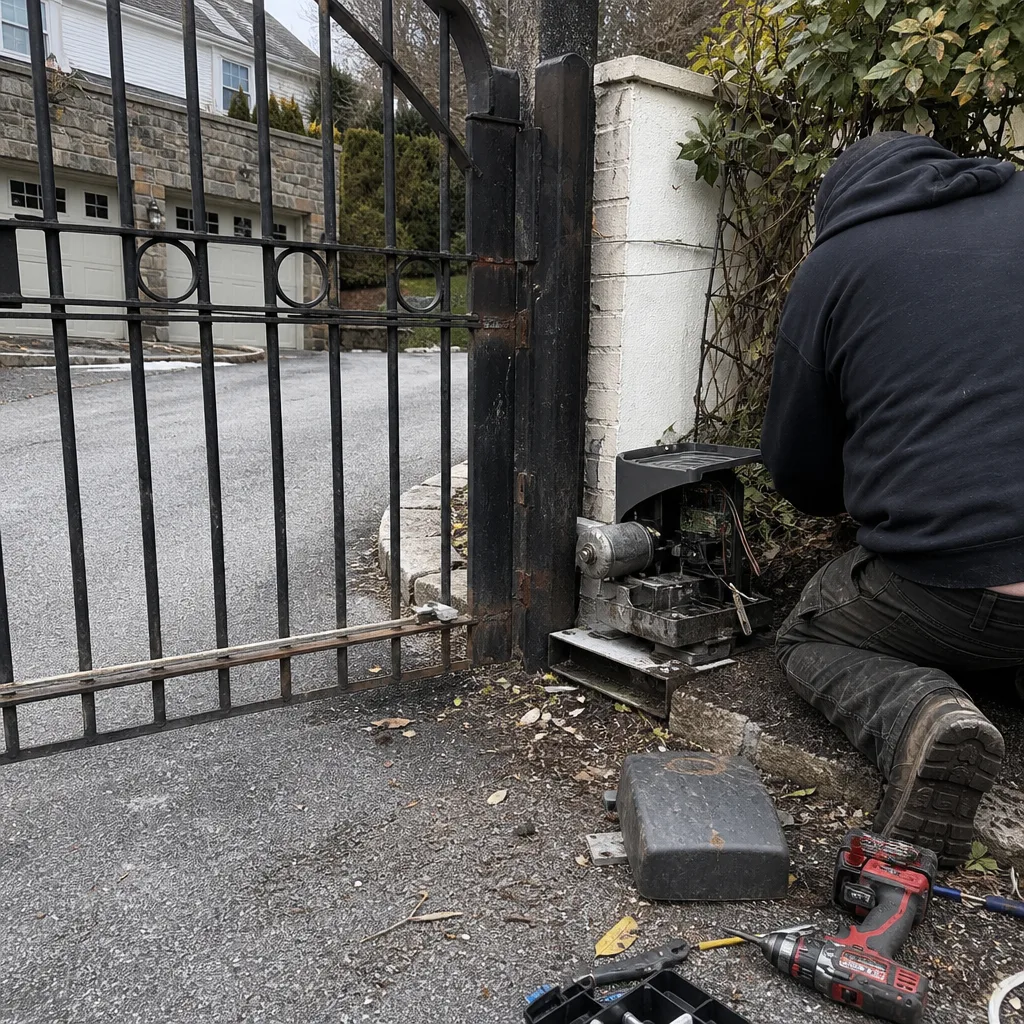 Before
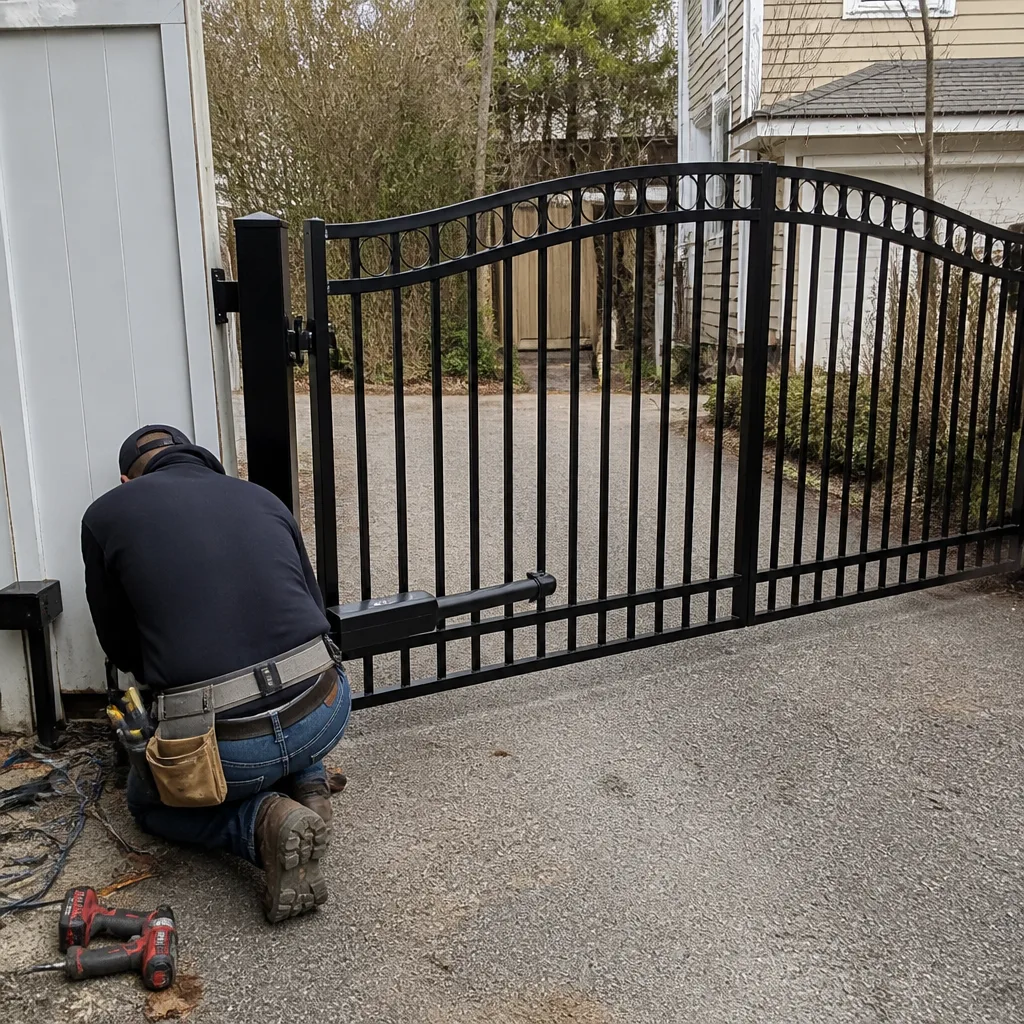 After
After