
Last updated October 16, 2026
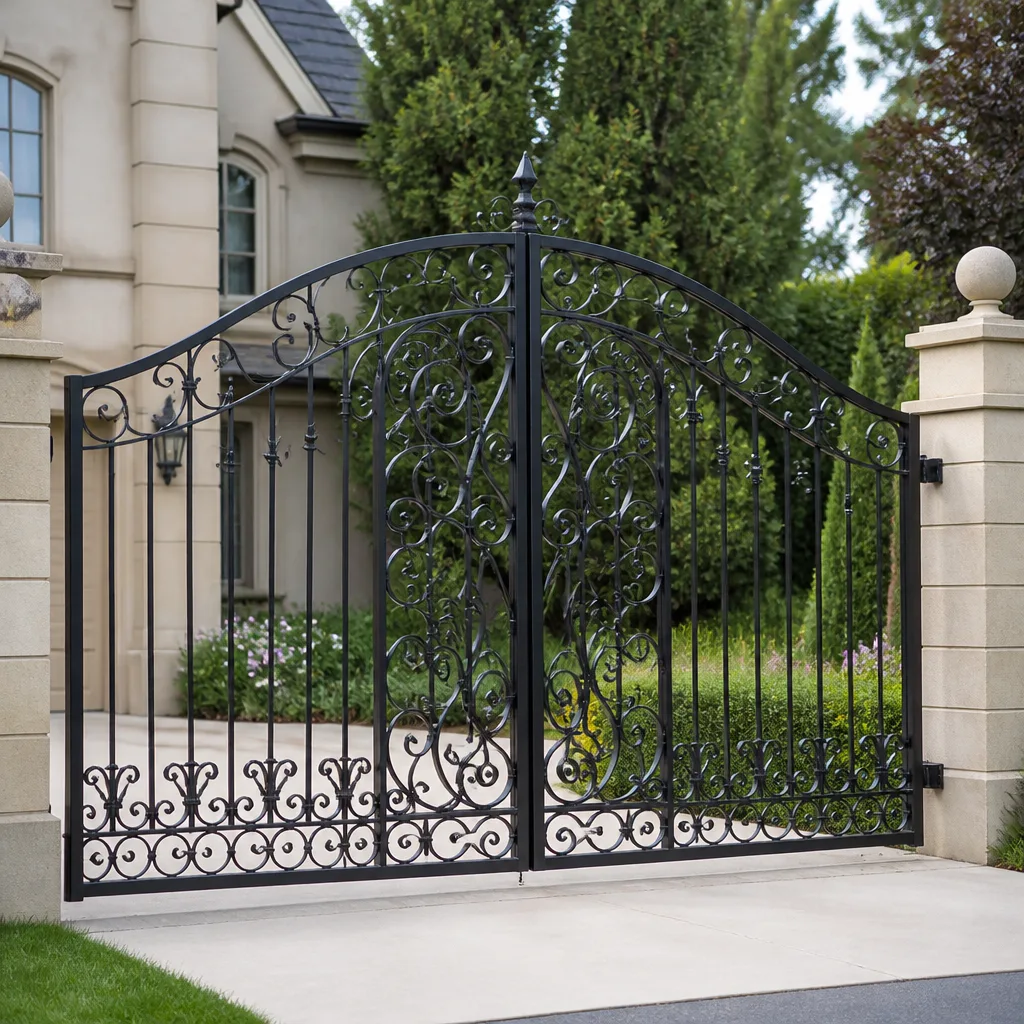 Wrought iron
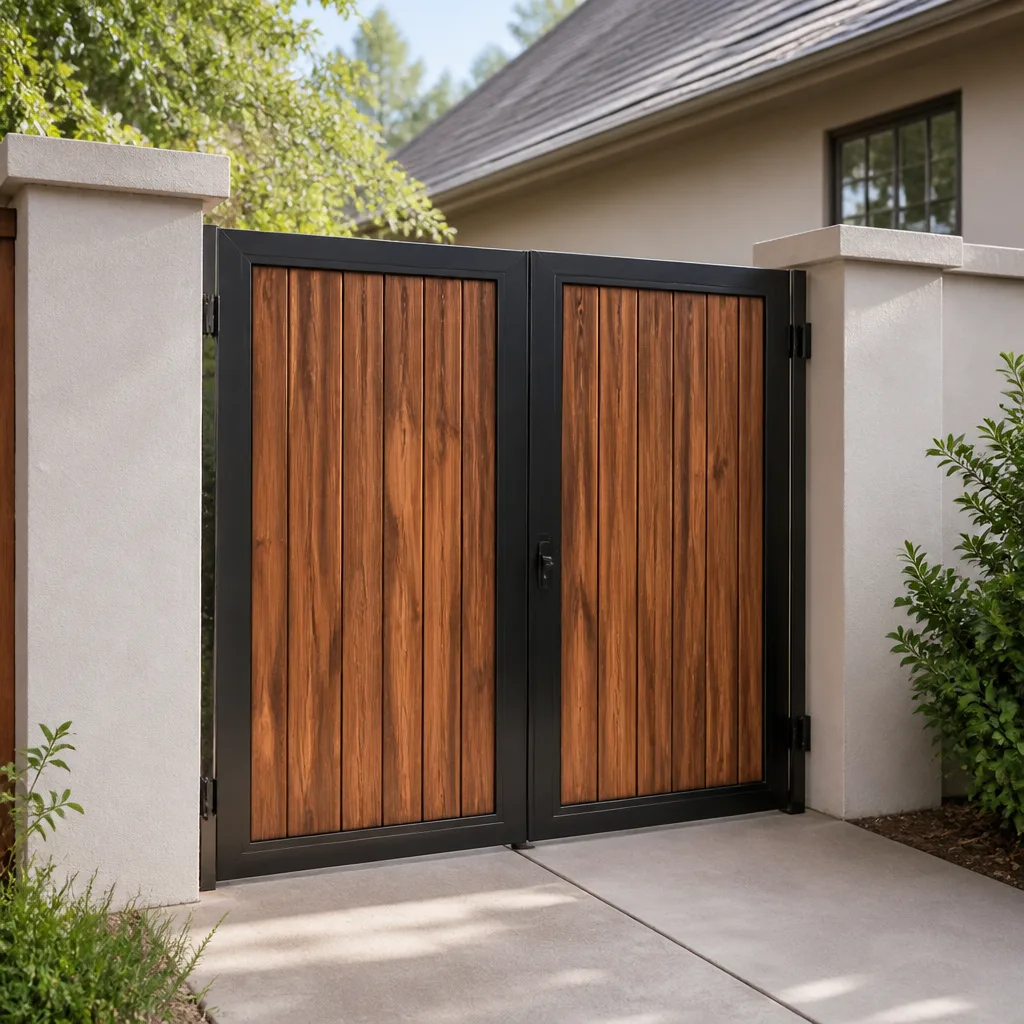 Wood & steel frame
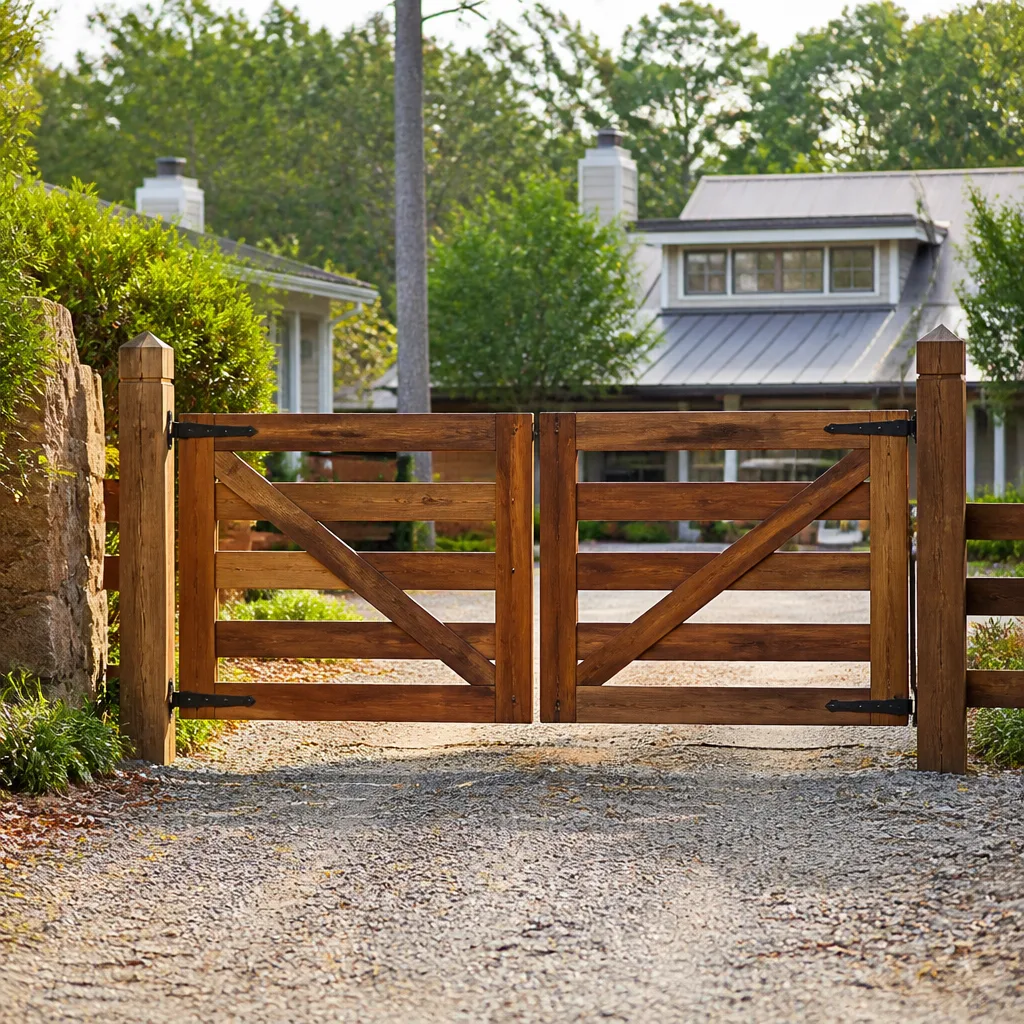 Farm & ranch
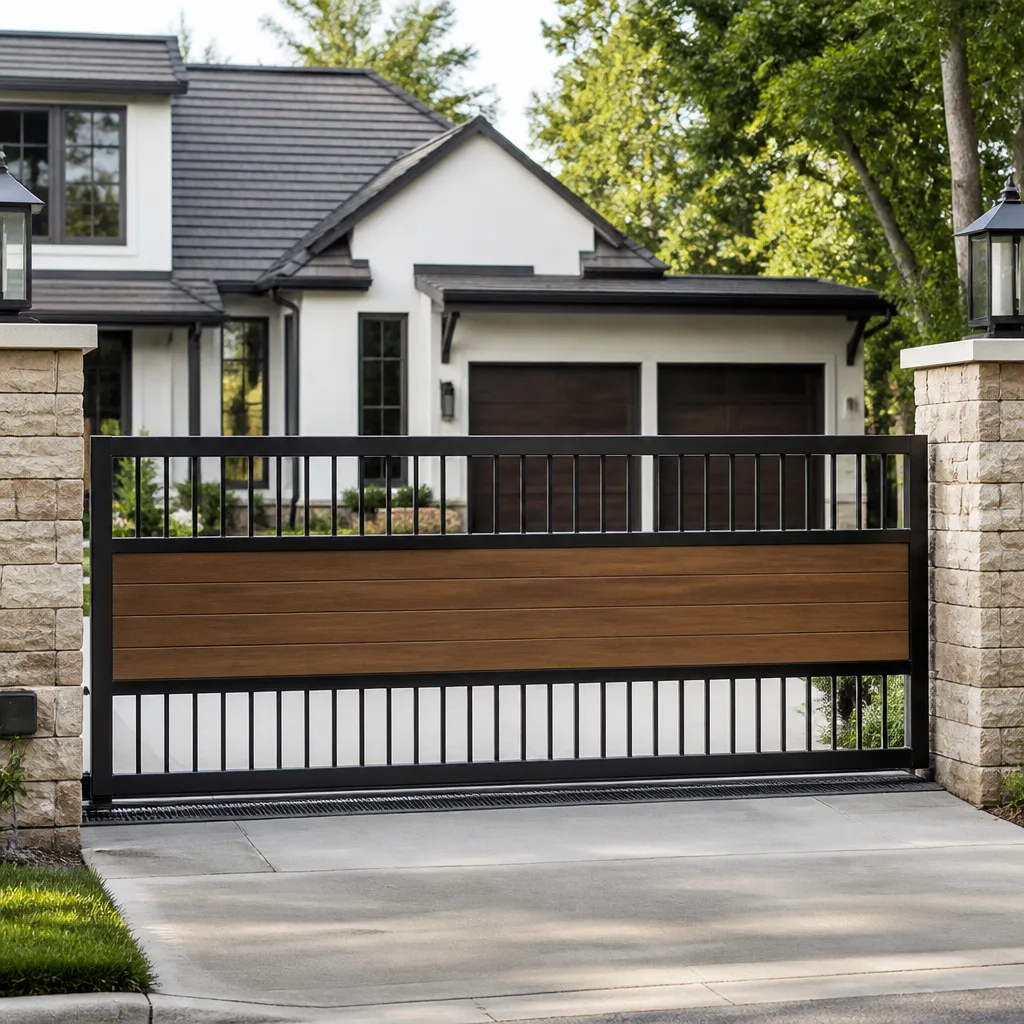 Sliding driveway gates
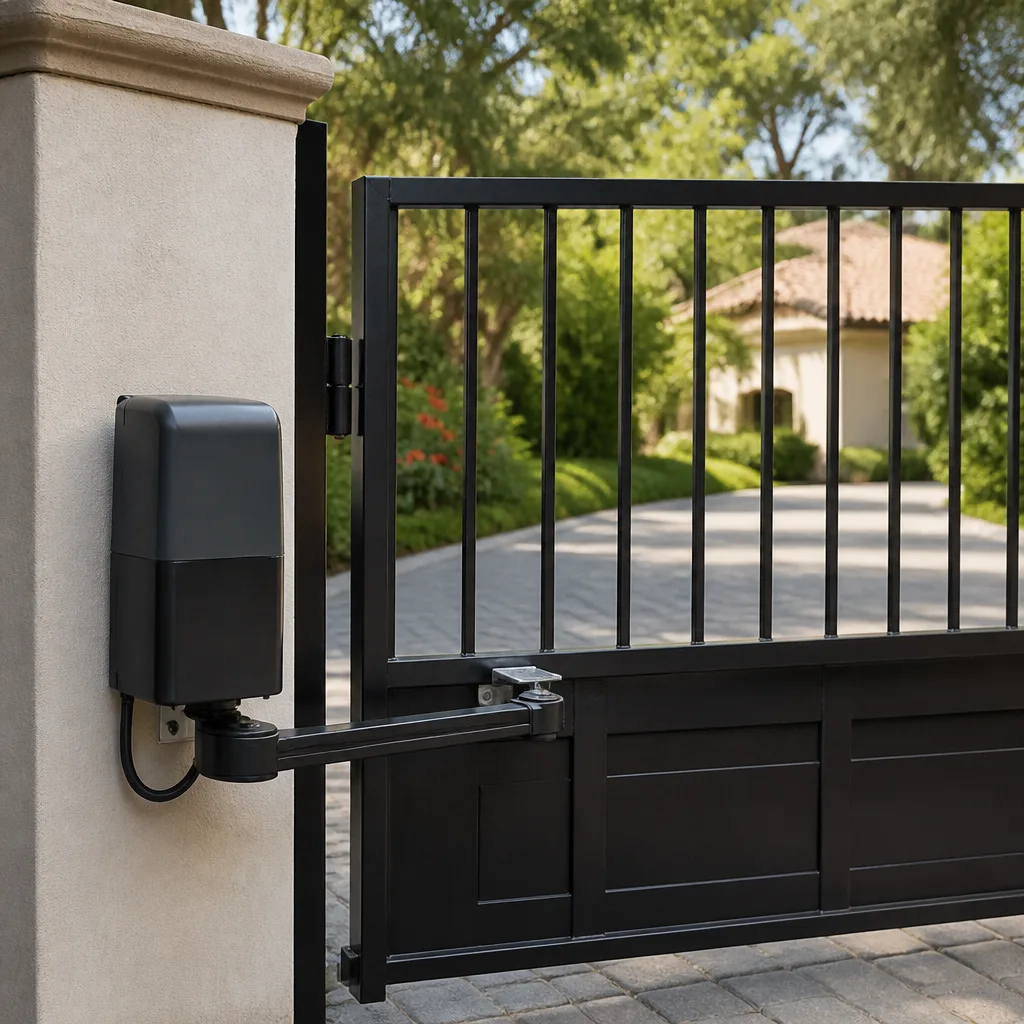 LiftMaster operators
Free on-site gate assessment - hinges, posts, and your LiftMaster or Nice gate operator checked before anything is quoted
The assessment is free and the quote is the invoice.
Get your free estimateSeasonal Gate Repair Care for Yonkers: Year-Round Homeowner’s Guide
The gate failures Yonkers technicians see every March weren’t caused by winter. They were caused by skipping two specific lubrication steps the previous October. We know this because we get the calls: a homeowner stands in their driveway at 7:15 on a cold Monday morning, gate frozen mid-swing, car stuck in the driveway, a meeting in forty minutes. The repair itself is rarely complicated. The diagnosis is almost always the same: October was the month the maintenance didn’t happen. This guide maps each season’s specific threat to your gate hardware and gives you a month-by-month action calendar for Yonkers, not a vague “winterize your gate” paragraph. By the end, you’ll know exactly what to check, when to check it, and when to pick up the phone for our Gate Repair services instead of the toolbox.
Styles & brands we work with
Quick Answer
Seasonal gate care in Yonkers means treating your gate opener, hinges, and concrete posts as a system that gets stressed differently every season: lubricate high-friction points twice a year (October and April), inspect concrete post bases for freeze-thaw cracking each March, check photocell alignment and control board temperatures on south-facing gates each July, and address any hesitation, grinding, or reversing immediately. A consistent seasonal routine adds years to your gate opener and prevents the $400+ emergency repairs that blow a budget without warning. For DIY vs Professional Gate Repair: The Yonkers Homeowner’s Decision Guide, see our breakdown.
Table of Contents
- Fall (October – November): The Two Lubrication Steps That Prevent 70% of Winter Failures
- Winter (December – February): Freeze-Thaw Cycles and Concrete Post Damage
- Spring (March – April): The Post-Winter Inspection Sequence
- Summer (June – August): UV, Heat, and Photocell Drift on South-Facing Gates
- The Yonkers Month-by-Month Gate Care Calendar
- Common Mistakes to Avoid
- When to Call a Professional
- Frequently Asked Questions
- The Bottom Line
Fall (October – November): The Two Lubrication Steps That Prevent 70% of Winter Failures
October is when Yonkers gate systems either get winter-ready or get winter-weary. The average first frost in Yonkers lands between October 15 and October 30, depending on elevation and proximity to the Hudson. That frost is a deadline, not a suggestion. Two specific lubrication steps in October prevent the majority of what our Gate Repair in Yonkers team sees from December through February. Skip them and you’re gambling with a gate motor that costs $300 to $500 to replace.
Step 1: Lubricate the gate hinges and pivot points with a lithium-based grease, not WD-40. WD-40 is a solvent and water displacer. It has its uses. Lubricating load-bearing gate hinges is not one of them. Lithium grease sticks around when temperatures drop, and it resists the rain and snow melt that saturates a Yonkers winter. Apply it to every hinge knuckle, both sides of the gate. This single step reduces the load on the opener motor so dramatically that we can hear the difference on a service call: a well-lubricated gate opens like it’s gliding, a dry one groans like an old door hinge.
Step 2: Check and lubricate the slide gate roller track or the swing gate’s wheel bearings. If you have a slide gate, clear the track completely: leaves, dirt, pebbles. Then apply a light coat of lithium grease to the top surface where the rollers ride. If you have a swing gate, check the wheel at the free end for play and noise. A crunchy, grinding wheel puts sideways force on the opener arm, and the opener arm is not designed to fight that. This is the second of the two October non-negotiables.
There’s a third check that’s particular to Yonkers: seal integrity around the control board housing. Fall brings heavy leaf fall and rain, and Yonkers sees more wet days than snowy ones in November. Open the control board cover (with power off at the breaker). Look for any sign of moisture intrusion, dirt, or insect activity along the bottom edge and around the wiring grommets. If the rubber seal is cracked or compressed flat, replace it now. Moisture getting into a control board is the single most common cause of “the gate worked yesterday and now it doesn’t” that we diagnose in December.
Run your gate through three full open-close cycles after October maintenance. Watch the travel speed at the start, middle, and end of the cycle. Listen for hesitation. If the gate slows noticeably in the middle or chatters near the limits, that’s the opener telling you it’s working harder than it should.
Winter (December – February): Freeze-Thaw Cycles and Concrete Post Damage
Yonkers winters don’t just freeze. They freeze, thaw, refreeze, and thaw again, sometimes weekly. The average winter temperature hovers near the freezing point often enough that water does not behave predictably in concrete. That freeze-thaw cycling is the most underrated threat to your gate system, because the damage doesn’t show up until spring, and the homeowner has no idea it started in January.
Here’s what happens: water infiltrates the micro-cracks that form in any concrete footer over time. When that water freezes, it expands by about 9 percent. That expansion widens the crack from the inside. The post doesn’t move that winter. But the structural integrity of the footing is now compromised, and the next heating season or a wind event can shift the post enough to throw off gate alignment by a half-inch. A half-inch misalignment on a swing gate means the latch doesn’t catch, or the gate binds against the post, or the opener motor overworks itself to move a gate that’s suddenly fighting geometry.
What surface cracking near the base of the post actually means: Hairline cracks, thinner than a pencil lead, are normal and expected after the first couple of years. They’re cosmetic. Cracks you can fit the edge of a nickel into, or cracks that widen from top to bottom, or cracks that show on opposite sides of the post at the same height, are structural warning signs. If you see white-ish mineral deposits on the concrete below those cracks – that’s efflorescence, and it means water has been moving through the concrete and carrying dissolved minerals out. That post needs a professional assessment.
What to do in December, January, and February:
- Wait for open water to clear before operating the gate. If snow or ice blocks the gate’s path, the opener may also trip its obstruction sensor and reverse. Some homeowners respond by increasing the force limiter setting. Don’t. Increasing force limits to push a frozen gate through ice is how opener limit switches get stripped and control boards get fried.
- Check the ground within three feet of each gate post. Look for standing water after a thaw. Any low spot where water pools against the concrete is a long-term problem. A simple regrade – adding soil so water runs away from the post base – costs little and prevents a lot.
- Keep the snow removed from the gate travel path. A shovel’s edge against a swing gate wheel or a slide gate roller can dent or chip the wheel surface. Clear carefully, and keep a clear path a few inches wider than the gate’s swing arc.
- If temperatures hit single digits, give the opener a beat between cycles. Cold-thickened grease on a cold-stiffened chain puts extra instantaneous load on the motor at start-up. A pause between open and close cycles lets the gearbox warm slightly and reduces wear on the drive gears.
Winter is also when the electric gate repair calls spike for battery and wiring failures. Cold reduces lead-acid battery capacity, and wiring connections that have been working loose all year fail in February because copper contracts in the cold. If your gate opener has a battery backup, test it in December: unplug the opener and run one full cycle on battery. If the gate struggles or stops mid-cycle, that battery is done. This is a five-minute check and it’s our single best winter advice for homeowners in Yonkers.
Spring (March – April): The Post-Winter Inspection Sequence
March in Yonkers is inspection season. The last frost date averages around April 15, but soils are thawing and shifting well before then, and any movement in gate posts, opener mounts, or track sections will become visible if you know where to look. Here’s the sequence, in order of importance.
Step 1: Check gate post alignment and concrete for new cracking. Stand at the free end of your swing gate with the gate closed. Look down the line from the hinge post to the latch post. If the gap between gate and post is even top to bottom and the latch lines up cleanly, posts are likely holding. If the gap widens at the top or bottom, the post has shifted. Slide gate owners: look down the track from one end. Any horizontal bowing, or the gate riding at an angle relative to the track, signals post or track movement.
Step 2: Run the gate and watch for speed inconsistency or reversing issues. A gate that’s slow at the start and then surges, or that stops and reverses for no visible reason, is often showing photocell misalignment or a marginal obstruction sensor. Photocells get knocked out of alignment by freeze-thaw shifting of their mounting posts, by wind, and by accidental bumps from lawn equipment. The fix can be a five-minute realignment – but only if you catch it before the misalignment teaches the control board to expect a blocked signal, at which point the board can start ignoring the sensor entirely.
Step 3: Check the opener arm bracket and all bolts on the gate leaf. Every winter, a few hairline stress cracks show up in powder-coated steel, especially near welded joints on badly maintained swing gates. Inspect the bracket where the opener arm attaches to the gate. See rust staining around any weld? That’s water ingress making its way into the weld. The bracket should be treated before the crack propagates, and a re-weld done before the bracket pulls free entirely. This is a safety issue, not a cosmetic one: a gate leaf that falls because of a failed weld can cause serious injury.
Step 4: When to call a tech vs. handle it yourself. Lubrication, sensor cleaning, track clearance, battery testing – those are homeowner territory. Post alignment, weld repair, bracket replacement, control board testing, and anything involving the opener’s internal torque limiter are not. The torque limiter is a safety component that stops the gate from closing on a person, a car, or a dog. Adjusting it without understanding the force profile can turn a gate into a dangerous machine. If your spring checklist reveals any of those items, gate opener repair is not a DIY job. Call a professional. We handle electric gate repair in Yonkers every spring, and the March calls are easier and cheaper than the April ones, because neglect compounds fast once the weather warms.
Summer (June – August): UV, Heat, and Photocell Drift on South-Facing Gates
Summer looks like the easy season for gate hardware, and it is, mostly. But summer in Yonkers brings two quiet problems to gates that spend their afternoons in direct sun: UV degradation of plastic components and heat buildup in control board enclosures. Both cause failures that are easy to misread as something else.
UV exposure. The photocell lenses and the plastic housings on many gate opener accessories are not rated for 15 years of direct summer sun. A south-facing Yonkers gate gets relentless UV from late morning through late afternoon. The first signs are yellowing and chalkiness on the lens surface. That’s more than cosmetic: a yellowed lens blocks infrared light, which reduces the effective sensing range. The control board responds by requiring a more direct beam alignment, and the system gets finicky: the gate stops mid-cycle, reopens when nothing is there, or refuses to close. Replacing the lens or the entire photocell assembly before it fails completely is a $30 to $65 proactive fix in most cases.
Heat buildup in control board enclosures. Many Yonkers homes have gate opener control boards mounted in black or dark-colored metal enclosures bolted to a south-facing post. On a 90-degree July afternoon, the inside of that enclosure can reach 140 degrees. Heat shortens the life of electrolytic capacitors – the cylindrical components on the board that smooth out power delivery and buffer the communication between the logic chip and the motor drivers. A board that works fine all morning and then stops functioning in mid-afternoon, only to work again after sunset, is often heat-related capacitor degradation. The fix isn’t always a new board. Sometimes we add a sun shield, relocate the board to a shaded surface, or improve enclosure ventilation. The key is to catch it early: heat-failed boards often take the low-voltage transformer with them.
Photocell alignment on south-facing gates. The infrared beam between the two photocell posts is invisible, and heat shimmer plus pollen haze in July makes the beam slightly less reliable. Gate manufacturer recommendations say to keep the lens faces clean, but in summer we recommend cleaning them every two weeks, not monthly. Use a soft, dry cloth. No glass cleaner, no alcohol: the lens is plastic and harsh solvents fog it permanently. Check alignment visually: both lenses should face each other squarely, not at an angle. A small misalignment of 5 degrees might work fine in spring and then become intermittent in summer when the heat expands the mounting brackets.
Summer is also a good time to check battery health on your opener’s backup system. High heat accelerates self-discharge on lead-acid batteries, and a battery that never fully charges in winter simply never recovers. Test it in June: unplug, run one cycle. If the gate is slow or the battery indicator reads low, replace the battery before the fall. LiftMaster, FAAC, and Elite openers all use slightly different backup battery modules. Your opener’s model number determines the replacement, and a wrong-spec battery can damage the charging circuit.
The Yonkers Month-by-Month Gate Care Calendar
Here’s the full year in one place. Print this, tape it inside a kitchen cabinet, and spend twenty minutes on the highlighted months. Yonkers’s average first frost is mid-to-late October; average last frost is mid-April. The calendar is built around those dates.
- January: Clear snow from gate travel path carefully, keep standing water away from post bases, listen for hesitation on cold starts. If the gate stops opening mid-cycle, loosen the suspect rather than cranking the force limiter: call us.
- February: Inspect for new concrete cracking at post bases after hard freezes. Note any exposed wiring from snow clearing equipment. Test the backup battery one more time mid-month.
- March: Full post-winter inspection sequence: post alignment, weld inspection, bracket bolts, photocell beam, opener cycle test. March calls are cheaper than April calls.
- April: Second big lubrication of the year: lithium grease on hinges, pivots, and rollers. Clean the full track. Remove any rust on exposed metal with a wire brush and touch up with cold galvanizing spray.
- May: Check opener arm for wear, listen for grinding at the gearbox, inspect wiring jacket for rodent damage (squirrels love gate enclosures in early spring).
- June: Test battery backup after the first 80-plus-degree day. Clean photocell lenses. Check for heat-related control board issues: does the gate work in the morning and fail in the afternoon?
- July: Photocell cleaning every two weeks. Evaluate south-facing enclosures for heat. If the control board enclosure is too hot to touch during the afternoon, it needs a sun shield or relocation.
- August: Mid-summer check: gate travel speed consistent? Latch engaging fully? If the gate has slowed noticeably since April, the opener is working harder than it should be. Get it looked at.
- September: Pre-fall check: inspect all seals on the control board housing, clear drainage pathways, check for water intrusion signs from summer thunderstorms.
- October: The critical month. Lithium grease on hinges and pivots. Roller track cleared and lightly greased. Seal integrity confirmed. Post bases inspected for cracks. Battery tested. Three full cycles run. This one hour of work prevents the majority of winter failures we see.
- November: First frost has arrived. Run the gate slowly and listen. Check that the gate closes fully and latches. If the close cycle stops short, deal with the obstruction sensor now, before freezing weather locks it in.
- December: Full winter check: snow removal tools staged clear of the gate swing path, battery backup tested one final time, water diverting away from post bases. If the opener is making noise, it’s not “just the cold.” Call before the failure strands a car or lets the gate hang open.
Common Mistakes to Avoid
- Spraying WD-40 on gate hinges and calling it lubrication. WD-40 is not a lubricant. It’s a solvent and water displacer. It will strip whatever grease was there and leave the hinge dry, which actually makes the problem worse. Use lithium-based grease.
- Running the gate through snow or ice. Some gates can push through a little, but the force limiter is not designed for ice-breaking. Forcing the gate through frozen conditions is how hinge brackets bend and limit switches fail.
- Increasing the opener’s force setting to compensate for a slow gate. If your gate needs more force to operate, something is wrong: hinge wear, track obstruction, cold-thickened grease, motor bearing wear. Crank up the force and you’re turning a maintenance issue into a safety hazard.
- Ignoring hairlines now, paying for structural later. Yonkers’s freeze-thaw cycles turn tiny concrete cracks into serious footing failures in one or two winters. A $20 tube of concrete crack sealant applied in October prevents a $1,500 post reset in April.
- Waiting until the gate fails completely to call anyone. The gate is talking to you constantly: hesitation, grinding, slow travel, intermittent reversing, half-closed latch. Every one of those is early-warning diagnostic information. The repair is always cheaper before the part tears itself apart.
- Buying a replacement part by guessing the model number. Gate opener parts are not universal. A LiftMaster limit switch doesn’t fit a Mighty Mule track, a FAAC gear train isn’t the same as an Elite. Installing the wrong part changes gear ratios, travel limits, and force profiles. Know your model number before ordering, or let a professional source the part.
When to Call a Professional
Most of this guide is DIY. But there are points where continuing to tinker crosses from maintenance into risk. Any post that has visibly shifted needs professional assessment, not just because the gate is misaligned but because the footing may be compromised and the gate could become unstable. Any weld crack, especially near the hinge or opener bracket, is a do-not-operate situation until a qualified technician evaluates it. Any control board that behaves inconsistently – works in the morning, fails in the afternoon, works after a reset, then fails again – is probably in the early stages of capacitor or relay failure and the longer it runs marginal, the more components it takes down with it. Any gate that reverses unexpectedly or fails to stop when obstructed is a safety system malfunction: don’t adjust it yourself. Calder Gate Repair Yonkers offers free estimates in Yonkers – call (585) 496-2148 and we’ll come out, look at the gate, and tell you exactly what it needs and what it costs before any work starts.
Frequently Asked Questions
A seasonal inspection and lubrication visit in Yonkers typically runs $90 to $175 depending on the gate type and opener model, and most homeowners schedule it twice a year (October and April). For full details, see The Complete Guide to Gate Repair in Yonkers. That’s less than a single emergency gate opener motor replacement, which commonly runs $350 to $600 before labor. Call (585) 496-2148 for a written price on your specific gate.
A lithium-based white grease is the right product for gate hinges, pivots, and roller tracks. It resists water washout, handles Yonkers winter temperatures well, and doesn’t break down the way spray lubricants do. Avoid WD-40 and silicone sprays for load-bearing joints; they’re the wrong tool for this job.
Twice a year, in October and April, timed to the average first and last frost dates for Yonkers. Some slide gates with heavy use benefit from a third light application in July, especially if the track sees a lot of dust or pollen.
That pattern almost always points to heat buildup in the control board enclosure. The components inside the enclosure – specifically the electrolytic capacitors – degrade in high temperatures, and a board that runs fine when the enclosure is cool in the morning will start failing when the afternoon sun pushes the internal temperature past its limits. The fix may be a sun shield, relocation, or board replacement depending on how far the heat damage has progressed.
Yes, and the damage is cumulative. Water enters micro-cracks in the concrete, freezes, and expands by about 9 percent, widening the crack from the inside. After several winters, that internal widening can cause visible surface cracking at the base of the post and structural movement. Hairline cracks are cosmetic; cracks you can fit a nickel into are a warning sign worth a professional look.
We repair gate systems running LiftMaster, FAAC, Mighty Mule, and the other major brands you’re likely to find in Yonkers, and our technicians are factory-familiar with the operating logic, force settings, and limit switch designs of each. If your gate is acting up and you’re not sure of the model, just call (585) 496-2148 and read the label off the opener; we’ll walk you through it.
You can often fix a minor photocell misalignment yourself: check that both lens faces point squarely at each other, clean the lenses with a dry cloth, and test the gate. If the gate still reverses or won’t close after realignment, the problem is likely deeper – wiring, mounting bracket damage, or a sensor that’s failing internally – and that’s a professional call.
Every gate repair we perform in Yonkers carries the 365-Day Done Right Promise: if the repair fails within 365 days, Calder Gate Repair returns at no charge and makes it right. The promise is written on every invoice, and the free second visit is included with every repair – not an add-on, not a warranty you have to register for.
The Bottom Line
Yonkers gives gate hardware four distinct seasons of stress, and the damage from each one often doesn’t surface until the season after. The fix isn’t more maintenance; it’s maintenance timed to the right months. Lubricate in October and April. Inspect concrete in March. Clean and watch for heat issues in July. Test your battery before the season changes. And when a gate starts talking – grinding, hesitating, reversing, shifting – listen early. Calder Gate Repair Yonkers is the dedicated gate specialist inside the Relay Home Co. family, and we’re at (585) 496-2148 whenever a gate needs a professional. Calder Gate Repair Yonkers home is where every season starts.
Written by Nico Alvarez, Owner at Calder Gate Repair Yonkers, serving Yonkers since 2009. Explore more guides & resources.
See the difference
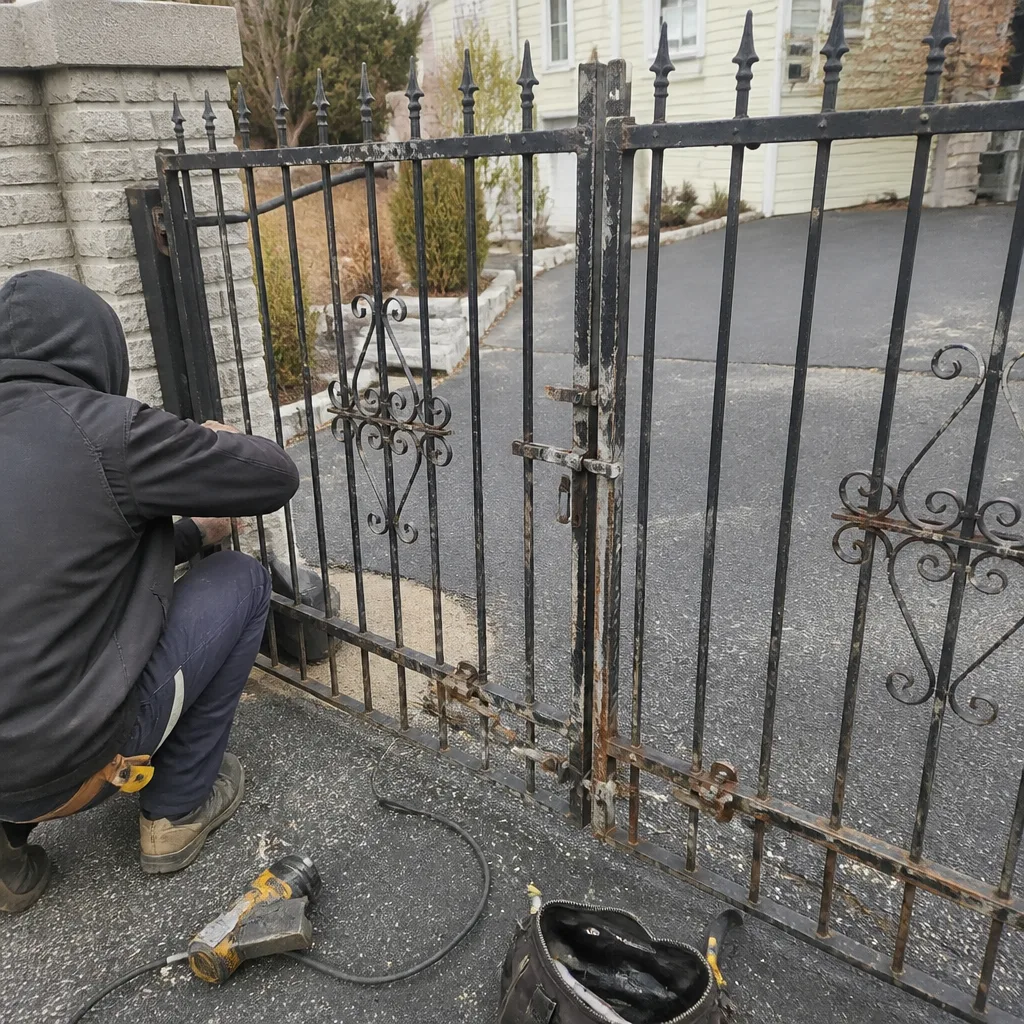 Before
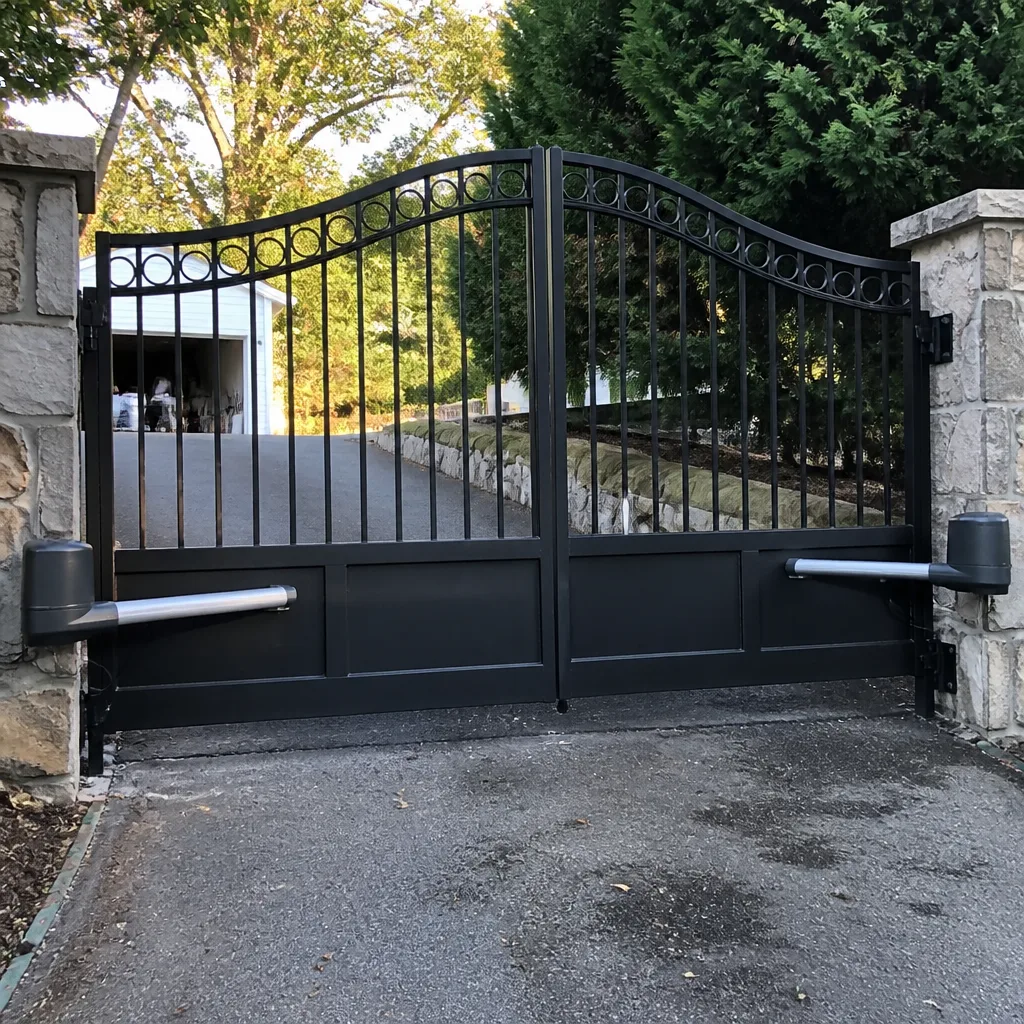 After
After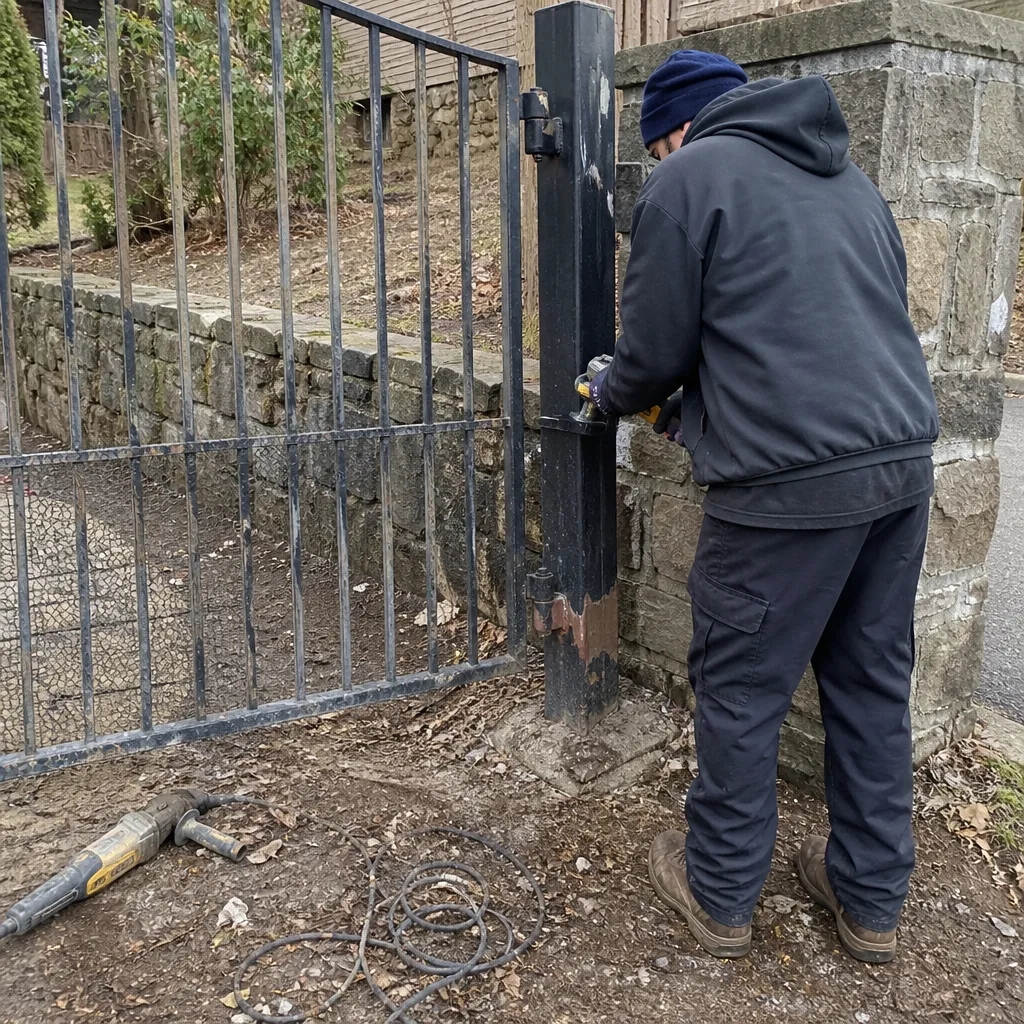 Before
 After
After Before
 After
After